
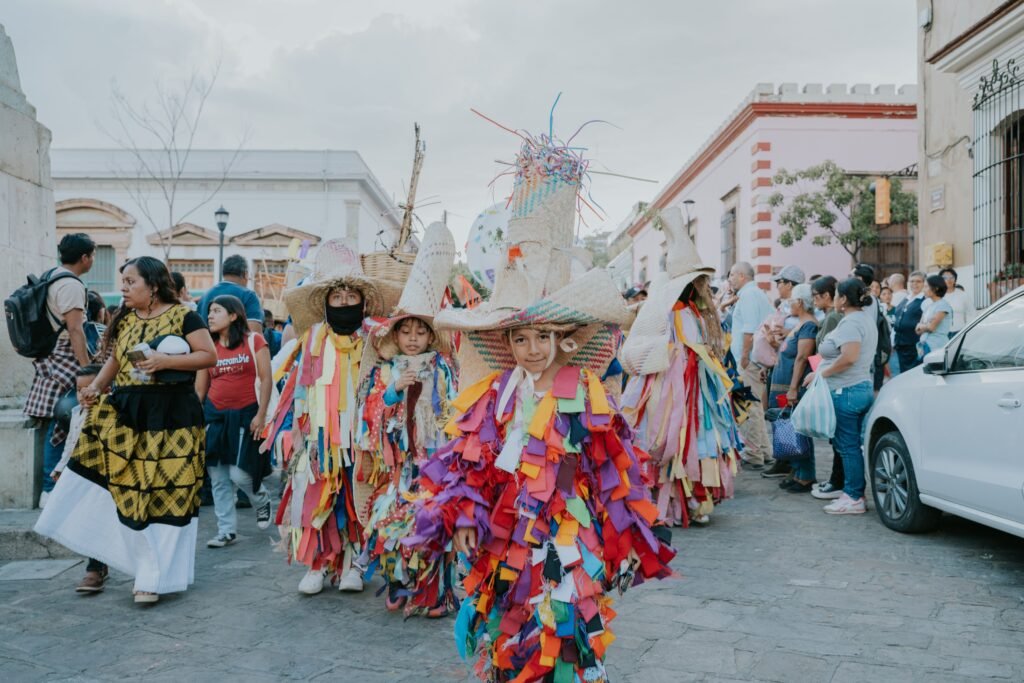
Say “Mexico” to five different travelers and you’ll get five different mental images. One person pictures an infinity pool over turquoise water. Another sees a stone pyramid rising out of the jungle. Someone else is thinking about street tacos in a Mexico City market, or a quiet fishing town nobody’s heard of yet.
They’re all right. That’s the whole point of this list.
Mexico isn’t a single vacation — it’s a country roughly three times the size of Texas, with two coastlines, a mountainous interior, and thousands of years of layered history. The best places to visit in Mexico in 2026 span turquoise-water beach towns, monumental Maya and Aztec ruins, colonial cities with world-class food scenes, and a handful of quieter spots that haven’t been flattened into every other roundup.
This guide is built as a planning tool, not just a list to scroll past. We’ve grouped destinations by travel style — beaches, ruins, hidden gems, and culture/food cities — so you can match the destination to the trip you actually want, whether that’s your first visit or your fifth.
How We Chose the Best Places to Visit in Mexico
Every destination on this list earned its spot based on a mix of factors:
- Variety of experience — we wanted beach, history, food, and off-the-radar options represented, not just resort towns
- Cultural and historical significance — particularly for the ruins and heritage-focused picks
- Natural beauty and setting — coastline, jungle, desert, or highland scenery that’s genuinely worth the trip
- Accessibility for US travelers — flight connections, infrastructure, and ease of getting around
- A mix of iconic and lesser-known spots — so the list is useful whether you want the classics or something quieter
- Relevance for 2026 travel planning, including new infrastructure like the Tren Maya rail line and expanded protected areas around the Yucatán’s archaeological sites
With that framework, here are the 25 best places to visit in Mexico in 2026.
Best Beach Destinations in Mexico
Mexico’s beach destinations range from high-energy resort strips to barefoot, no-shoes-required fishing villages. Here’s where to go depending on the kind of beach trip you want.
1. Cancún — Quintana Roo Best for: first-timers, groups, all-inclusive resorts Cancún remains the easiest on-ramp to Mexican beach travel — direct flights from nearly every major US city, a long stretch of all-inclusive resorts, and calm Caribbean water. The Hotel Zone is built for convenience; if you want something with more local texture, downtown Cancún is a short taxi ride away. Good fit for first-timers and groups who want a low-effort, high-payoff trip.
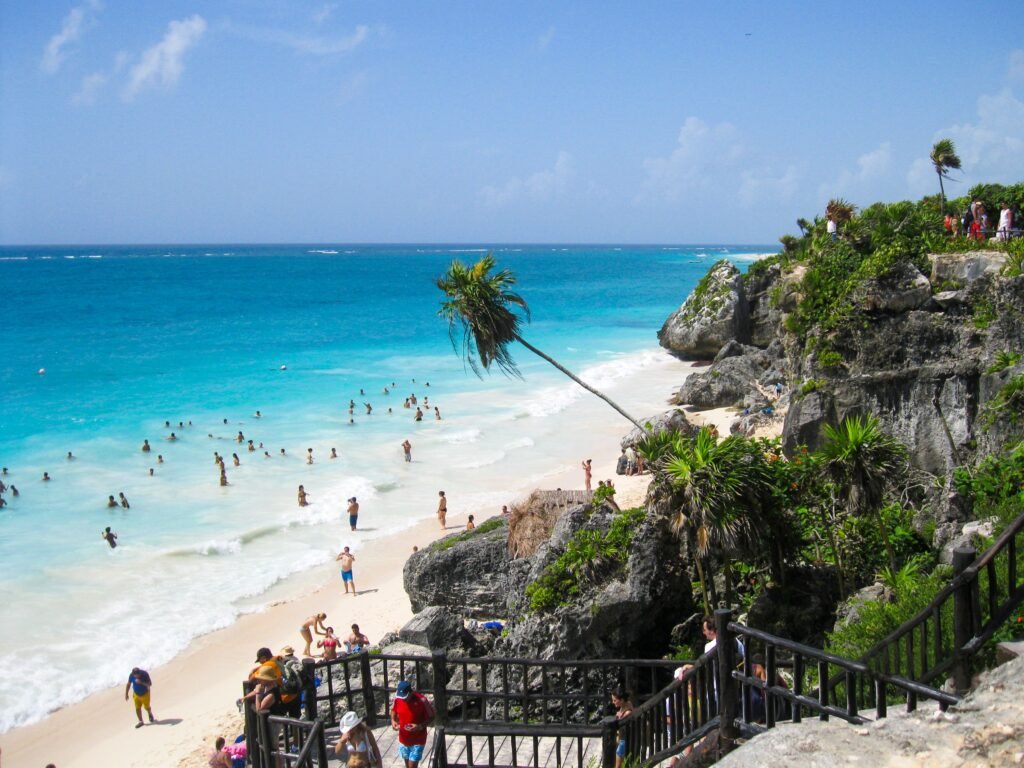
2. Tulum — Quintana Roo Best for: boutique design lovers, wellness travelers, couples Tulum built its reputation on beachfront cenotes, jungle-chic hotels, and a laid-back-but-polished vibe. It’s pricier than it used to be, but it still delivers a different feel than Cancún — smaller properties, yoga studios, and beach clubs instead of mega-resorts. Its Maya ruins overlooking the ocean (more on those below) make it a rare spot that’s both a beach and a history destination in one visit.
3. Puerto Vallarta — Jalisco Best for: romantic getaways, LGBTQ+ travelers, walkable towns Set on the Pacific with the Sierra Madre mountains as a backdrop, Puerto Vallarta pairs a cobblestone Old Town with a genuinely famous restaurant scene. It’s one of the most established LGBTQ+-friendly destinations in Mexico and one of the easiest cities in the country to explore on foot.
4. Los Cabos — Baja California Sur Best for: golf, luxury resorts, desert-meets-ocean scenery Cabo San Lucas and San José del Cabo bookend a stretch of desert coastline where the Sea of Cortez meets the Pacific. It’s the go-to for luxury resorts, world-class golf courses, and sportfishing, with a drier, more dramatic landscape than the Caribbean side of the country.
5. Huatulco — Oaxaca Best for: nature-focused beach trips, snorkeling, fewer crowds Huatulco is nine bays of protected coastline, much of it still undeveloped. It’s a planned resort destination but a low-density one, with national-park status covering a large share of the coastline, making it a good match for travelers who want beach time without a wall-to-wall hotel strip.
6. Isla Holbox — Quintana Roo Best for: car-free island time, sand streets, laid-back pace No cars, sandy roads, and golf-cart transportation define this small Caribbean island off the northern Yucatán coast. Between June and September it’s also one of the best places in the world to swim near whale sharks. It’s slower and smaller than Cancún or Tulum, which is exactly the appeal.
7. Mulegé and the Sea of Cortez Coast — Baja California Sur Best for: off-grid beach travel, kayaking, desert oasis scenery An oasis town along a palm-lined river that empties into the Sea of Cortez, Mulegé is a jumping-off point for kayaking trips, whale-watching (in season), and quiet coves that don’t show up on typical spring-break itineraries. It’s a solid pick for travelers who’ve already done Cabo and want the wilder side of Baja.
Best Places in Mexico for Ruins and Ancient History
This is where Mexico separates itself from almost every other beach-vacation country. Pre-Hispanic civilizations left behind some of the most significant archaeological sites in the Americas, and 2026 is a particularly good year to see them thanks to improved rail and road access across the Yucatán Peninsula.
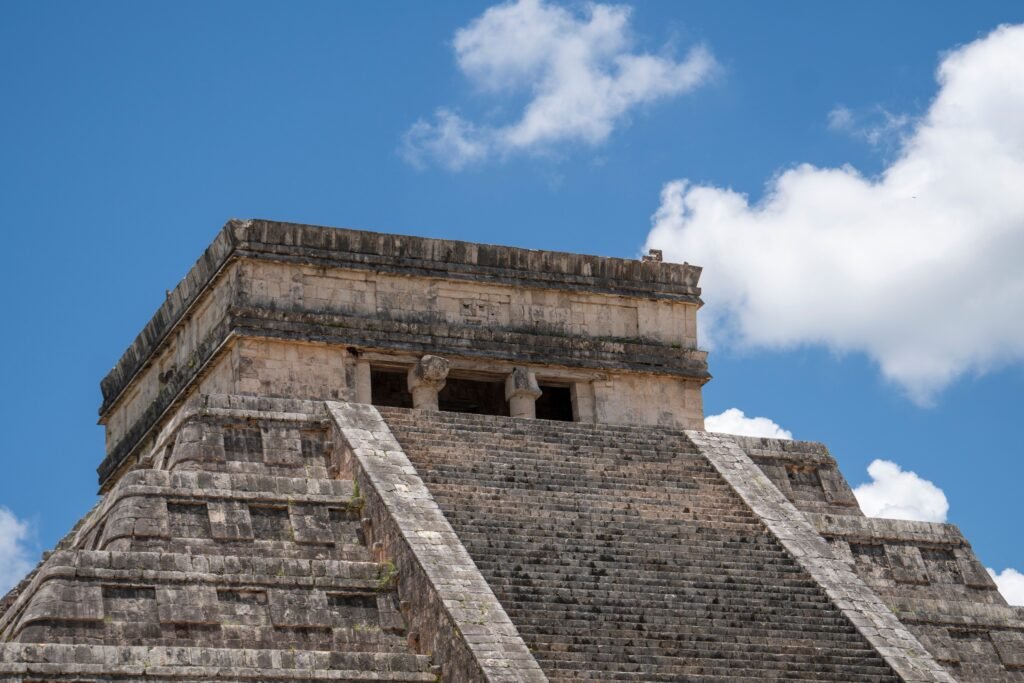
8. Chichén Itzá (via Mérida or Valladolid) — Yucatán Best for: first-time ruin visitors, iconic photo-stop trips One of the New Seven Wonders of the World, the stepped pyramid of El Castillo is Mexico’s most recognizable ancient structure. Base yourself in Mérida or Valladolid rather than trying to day-trip from Cancún — both are closer, calmer, and let you arrive before the tour buses.
9. Tulum Ruins — Quintana Roo Best for: combining beach and history in one stop Tulum’s clifftop ruins overlooking the Caribbean are the rare archaeological site where the setting is as memorable as the structures themselves. It’s compact enough to see in an hour or two, making it an easy add-on to a beach-based trip rather than a destination requiring its own itinerary.
10. Palenque — Chiapas Best for: jungle immersion, fewer crowds than the Yucatán sites Palenque’s temples rise out of dense rainforest, with howler monkeys as the soundtrack. It’s more remote than the Yucatán’s big-name sites, which means smaller crowds and a moodier, more atmospheric visit for travelers willing to go a little further off the beaten path.
11. Calakmul (via Campeche) — Campeche Best for: travelers who want ruins without the crowds Deep inside a biosphere reserve near the Guatemala border, Calakmul is one of the largest Maya cities ever built — and one of the least visited. Campeche city makes a good, underused base: it’s a walkable, colorful colonial capital that gets a fraction of Mérida’s tourist traffic.
12. Monte Albán (via Oaxaca City) — Oaxaca Best for: pairing ruins with a major food-and-culture destination Monte Albán sits on a flattened mountaintop overlooking the Oaxaca valley, and it predates most other major Mexican archaeological sites. Because it’s a short drive from Oaxaca City, it’s an easy way to add serious ancient history to what’s primarily a food and culture trip.
13. Teotihuacán (via Mexico City) — State of Mexico Best for: day-tripping from the capital Home to the Pyramid of the Sun — one of the largest pyramids in the world — Teotihuacán is an easy day trip from Mexico City and one of the most-visited archaeological sites in the country. Go early to beat both the heat and the crowds.
Best Hidden Gems in Mexico
These aren’t obscure for the sake of it — they’re places that deliver a genuinely rewarding trip with noticeably fewer crowds than the household-name destinations.
14. Bacalar — Quintana Roo Best for: swimming, quiet lakeside towns Known as the “Lagoon of Seven Colors,” Bacalar’s freshwater lagoon rivals the Caribbean for color without the beach-town crowds. It’s smaller and slower-paced than Tulum, an hour or so further south, and increasingly popular with travelers looking for a quieter alternative.
15. Río Lagartos — Yucatán Best for: wildlife watching, flamingo tours A small fishing village on the Yucatán’s northern coast, Río Lagartos is one of the best places in Mexico to see wild pink flamingos up close on a boat tour through the mangroves. It’s an easy, low-cost add-on for travelers already based in Mérida or Valladolid.
16. Todos Santos — Baja California Sur Best for: art-town atmosphere, surf culture A former sugar-town turned artist colony between Cabo and La Paz, Todos Santos mixes Pueblo Mágico charm with a growing food and surf scene, minus the resort density of Cabo San Lucas an hour down the road.
17. San Cristóbal de las Casas — Chiapas Best for: highland culture, coffee, cooler climate Set in the cool mountains of Chiapas, San Cristóbal is a colonial town with a strong Indigenous Maya cultural presence, excellent coffee, and access to nearby villages and canyons. It feels distinctly different from anywhere on the coast, which is exactly why it’s worth the detour.
18. Valladolid — Yucatán Best for: a calmer base for Yucatán sightseeing Smaller and mellower than Mérida, Valladolid is close to Chichén Itzá, several cenotes, and Río Lagartos, making it one of the most efficient home bases on the peninsula — with its own colonial charm to boot.
19. Playa Paraíso, Costalegre — Jalisco Best for: undeveloped Pacific coastline Along the stretch of coast between Puerto Vallarta and Manzanillo known as the Costalegre, beaches like Playa Paraíso remain largely undeveloped, offering a look at what Pacific Mexico looked like before large-scale resort building.
Best Cultural and Food Cities in Mexico
If your ideal trip is built around neighborhoods, markets, and meals rather than sand, these cities deliver.
20. Mexico City — CDMX Best for: food, art, urban energy One of the most exciting food cities in the world, Mexico City pairs Michelin-recognized restaurants with unbeatable street-market tacos, plus world-class museums and walkable neighborhoods like Roma and Condesa. It rewards multiple visits.
21. Guadalajara — Jalisco Best for: traditional food, mariachi culture, historic neighborhoods Considered the birthplace of mariachi and tequila’s home region is just a short drive away. Guadalajara’s historic center and traditional markets make it one of the best places in the country to experience Mexican culinary heritage without the crowds of the capital.
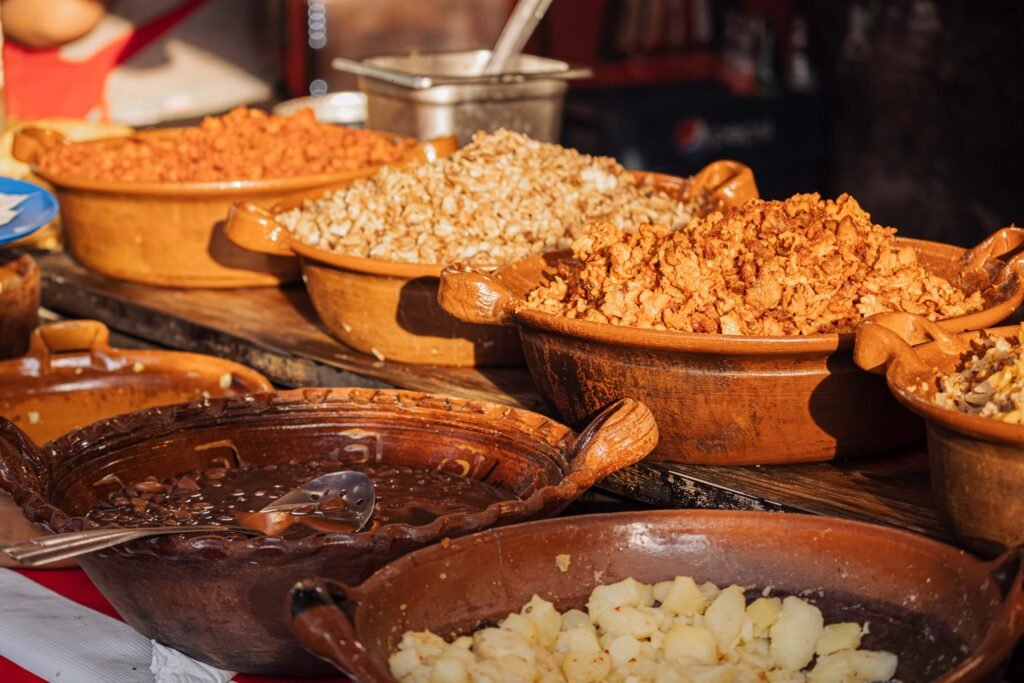
22. Oaxaca City — Oaxaca Best for: food-focused travel, mezcal, textile shopping Oaxaca’s food scene — mole, tlayudas, mezcal — has made it one of the most talked-about culinary destinations in the country, alongside a serious craft and textile tradition and easy access to Monte Albán.
23. Mérida — Yucatán Best for: colonial architecture, safety-conscious first-timers, Maya heritage Mérida consistently ranks among Mexico’s safest large cities and makes an excellent base for exploring Chichén Itzá, cenotes, and the northern Yucatán coast, all while offering its own strong colonial and Maya cultural identity.
24. San Miguel de Allende — Guanajuato Best for: art, architecture, a slower highland pace Famous for its pink stone church and cobblestone streets, San Miguel de Allende draws a strong expat and artist community, along with a walkable historic center that consistently ranks among the most beautiful in the country.
25. Puebla — Puebla Best for: colonial architecture, mole poblano, day-trip access from CDMX Home to mole poblano and talavera pottery, Puebla is a UNESCO World Heritage colonial city that’s an easy day trip or overnight from Mexico City, with a food identity distinct from the capital’s.
Best Places in Mexico for First-Time Visitors
If 25 options feels like a lot, here’s a shortlist to simplify the decision:
- Easiest first beach trip: Cancún or Puerto Vallarta
- Best first culture-heavy trip: Mexico City
- Best balanced destination (beach + ruins): Tulum
- Best for couples: Puerto Vallarta or San Miguel de Allende
- Best for adventure and nature: Baja California Sur (Los Cabos, Todos Santos, Mulegé)
- Best for repeat visitors wanting something different: Bacalar, Oaxaca City, or San Cristóbal de las Casas
How to Choose the Right Mexico Destination for Your Travel Style
- Best for beaches: Cancún, Tulum, Los Cabos, Huatulco
- Best for history lovers: Chichén Itzá, Palenque, Calakmul, Teotihuacán
- Best for food travelers: Mexico City, Oaxaca City, Guadalajara, Puebla
- Best for luxury: Los Cabos, Puerto Vallarta
- Best for nature: Baja California Sur, Río Lagartos, Huatulco
- Best for hidden gems: Bacalar, Valladolid, Todos Santos, San Cristóbal de las Casas
- Best for short trips from the US: Cancún, Los Cabos, Puerto Vallarta
Important Safety and Planning Note for US Travelers
Mexico is a big, varied country, and safety conditions differ significantly by state — this is worth knowing before you book rather than after. As of the current U.S. State Department advisory, Mexico is rated a Level 2, meaning travelers should exercise increased caution due to terrorism, crime, and kidnapping.
A handful of states carry a Level 4 “do not travel” designation, while popular tourist zones including the Yucatán Peninsula, Mexico City, Oaxaca, and the main Pacific and Caribbean resort areas typically sit at a lower risk level. In other words, the country-wide headline matters less than the state-by-state detail — check the specific region you’re visiting rather than treating “Mexico” as one uniform risk level.
A few practical habits worth adopting regardless of destination: follow the same restrictions U.S. government employees are held to in high-risk areas, since the U.S. government’s ability to assist is limited in many parts of the country, avoid intercity travel after dark, and use regulated taxi stands or app-based rideshares instead of hailing cabs on the street. None of this should be a reason to skip Mexico — millions of US travelers visit safely every year — but it’s worth checking the current State Department advisory for your specific destination before you finalize a booking.
FAQ
What are the best places to visit in Mexico in 2026? Top picks span every travel style: Cancún and Tulum for beaches, Chichén Itzá and Palenque for ruins, Mexico City and Oaxaca for food and culture, and Bacalar or Valladolid for a quieter alternative.
Where should first-time travelers go in Mexico? Cancún, Puerto Vallarta, or Tulum are the easiest starting points for a first trip, with Mexico City as the best option for travelers who want culture and food over beach time.
What part of Mexico has the best beaches? The Riviera Maya (Cancún, Tulum, Isla Holbox) offers calm Caribbean water, while the Pacific coast (Puerto Vallarta, Los Cabos, Huatulco) offers a more dramatic, mountainous coastline.
Where can you see ruins in Mexico? Chichén Itzá and Tulum are the most accessible major sites, while Palenque, Calakmul, and Monte Albán offer a less crowded, more immersive experience.
What are some hidden gems in Mexico? Bacalar, Valladolid, Río Lagartos, Todos Santos, and San Cristóbal de las Casas all offer a rewarding trip without the crowds of the biggest-name destinations.
Is Mexico safe for US travelers? Mexico carries a Level 2 “exercise increased caution” advisory overall, with risk varying significantly by state. Most major tourist destinations operate normally, but it’s worth checking the current state-specific advisory for wherever you’re headed before booking.
Conclusion
The best place to visit in Mexico in 2026 really does depend on what you’re looking for. Want to do nothing but stare at turquoise water? Head to the Riviera Maya. Want to stand in front of a 1,500-year-old pyramid? Build a trip around the Yucatán or Chiapas. Want your vacation to revolve around what’s on your plate? Mexico City, Oaxaca, and Puebla will deliver. And if you’ve already done the obvious stops, Bacalar, Valladolid, and Todos Santos are proof that Mexico still has quieter corners left to discover.
That range — beach, ruins, food, and hidden gem, all in one country — is exactly what makes Mexico one of the strongest, most flexible trip destinations for US travelers in 2026.