
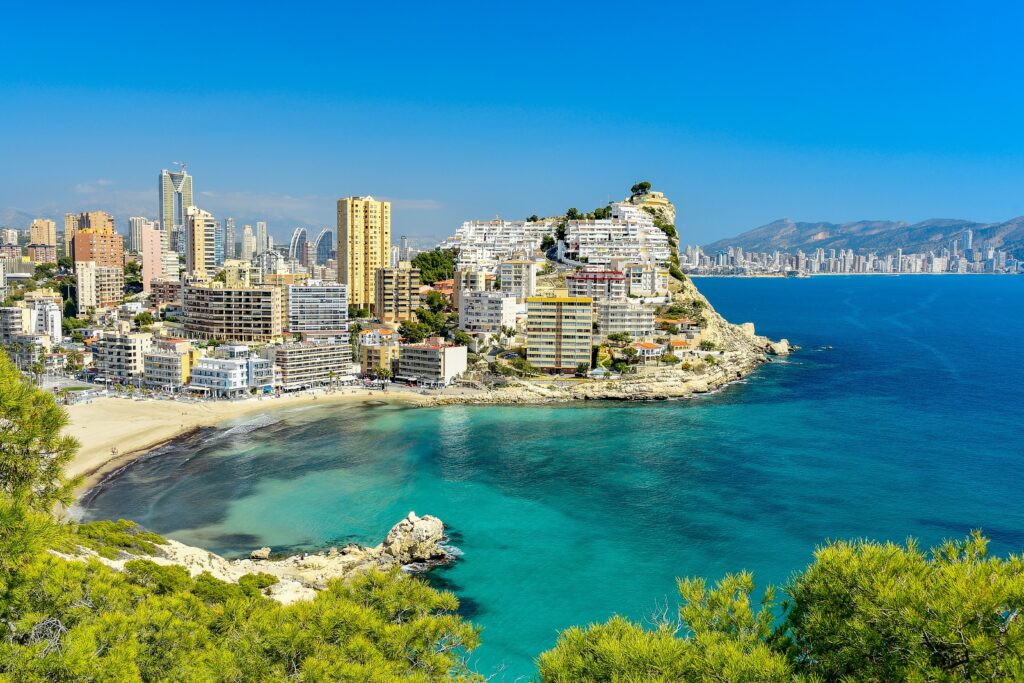
If you’ve been putting off a trip to Spain because you assume it means choosing between “cheap” and “actually good,” it’s time to rethink that math. A cheap vacation in Spain doesn’t have to mean skipping the Prado, eating from a gas station, or spending your whole trip in a hostel common room. Spain is one of the rare places where budget travel and cultural richness genuinely overlap — you just need to know the rhythms locals already use every day.
The trick isn’t stripping the trip down. It’s building it around three things Spain already gives you for free or cheap: timed free-entry windows at major museums, food markets that double as some of the best meals you’ll have, and smarter destination picks that stretch every euro further. Get those three right, and the rest of the itinerary basically plans itself.
Why Spain Works So Well for Budget Travelers
Spain has a built-in advantage most budget destinations don’t: its cities are made for wandering, not for spending. Madrid, Seville, Granada, Valencia — these are walkable cities where the best afternoon might cost you nothing but the energy to explore, since the architecture, plazas, and street life are the entertainment.
Café culture helps too. A long coffee or a caña doesn’t come with the same pressure to move along that you’d feel elsewhere, and markets and neighborhood bars keep food genuinely affordable compared to sit-down restaurants aimed at tourists. Layer in the fact that cultural experiences in Spain aren’t locked behind expensive tickets the way they are in some countries — many of the best ones are cheap, timed-free, or outdoors entirely — and you start to see why a modest budget can still buy a rich trip here.
The other advantage is regional. Spain isn’t priced evenly. Where you choose to spend your days affects your budget as much as anything else on this list, which is worth keeping in mind before you build an itinerary around only the two most famous cities.
The Smartest Ways to Save Money in Spain
Before getting into museums and markets specifically, it helps to nail the fundamentals of how to save money in Spain. None of these require sacrificing the experience — they just require timing and a little planning.
- Travel in shoulder season. Spring (April–June) and fall (September–October) tend to bring lower prices and thinner crowds than peak summer, while still delivering good weather for walking cities and outdoor sightseeing.
- Book flights and accommodation early. Prices climb the closer you get to summer, especially for Madrid and Barcelona.
- Choose a place with a kitchen. An apartment or aparthotel with even a basic kitchenette lets you cover breakfasts and the occasional dinner with market groceries instead of restaurant prices.
- Walk instead of defaulting to transit. Spanish cities reward walking — you’ll stumble onto plazas, churches, and viewpoints you’d otherwise miss underground on the metro.
- Carry a reusable water bottle. Many Spanish cities have public drinking fountains, so this is an easy daily saving that adds up.
- Use free walking tours. Most major cities have tip-based walking tours that double as a cultural orientation and a chance to ask a local for restaurant and market recommendations.
- Mix paid highlights with free attractions rather than trying to see every paid museum in one trip. A couple of splurges surrounded by free experiences usually feels more satisfying than rushing through everything.
How Free Museum Days Make Spain Feel More Luxurious on a Budget
This is where a cheap vacation in Spain starts to feel less like a compromise and more like an insider move. Spain’s major state museums build free access directly into their weekly schedule — it’s not a rare promotional gimmick, it’s a standing policy.
The Prado, for instance, offers free entry to its permanent collection every day during the last two hours before closing — generally 6:00–8:00 PM Monday through Saturday, and 5:00–7:00 PM on Sundays and public holidays, with a couple of full free days scattered through the year. The Reina Sofía, home to Picasso’s Guernica, runs a similar model, with free hours in the evenings on most open days and free access for the entirety of Sunday morning until early afternoon. Other cities follow the same pattern — Barcelona’s Picasso Museum, for example, has offered free admission during specific weekly windows.
The catch, and it’s a real one: these free slots are popular, and queues can start forming well before the doors open, especially on weekends. A few tips for making it work:
- Build the free window into your itinerary in advance rather than treating it as a spontaneous stop — decide which day and city you’ll be in during the relevant hours.
- Arrive earlier than you think you need to, especially for the Prado’s evening slot or Reina Sofía’s Sunday free period.
- Decide beforehand on two or three works you most want to see, since free hours mean less time inside than a full-day ticket would give you.
- Always check the museum’s current official hours before you go — free-entry schedules do shift, and holiday closures or special exhibitions can change the picture.
Used well, this single habit can make a student trip feel like it includes a proper art pilgrimage, without the ticket cost.
Why Regional Food Markets Are One of the Best Budget Moves in Spain
If free museum hours are the cultural win, food markets are the everyday win — and arguably the more Spain-specific one. Markets like Madrid’s San Miguel, Valencia’s Central Market, or Barcelona’s Boqueria aren’t just tourist photo ops; they’re where a huge amount of daily life in Spain still happens.
For a budget traveler, markets solve two problems at once: they’re cheaper than restaurant meals, and they’re often more memorable than one. A few euros can get you fresh bread, cheese, olives, jamón, and fruit for a picnic lunch in a plaza — a meal that costs a fraction of a sit-down restaurant tab and comes with better people-watching. Markets are also a natural stop between sightseeing blocks: pick up a coffee and pastry before a museum’s free hour, or grab a late-afternoon snack instead of a full sit-down lunch.
This matters especially for students and first-time visitors, because market eating doesn’t feel like “settling.” It feels like doing what Spaniards actually do — grabbing something fresh, standing at a counter, moving on with your day. A market visit can anchor an entire low-cost sightseeing day: breakfast at the market, a free walking tour, a picnic lunch from market stalls, an afternoon wander, and a museum’s free evening hour to close things out.
Best Regions and Cities for a Budget-Friendly Spain Itinerary
Madrid and Barcelona get most of the attention, and for good reason — but they’re also usually the most expensive cities in the country. A smarter budget-friendly Spain itinerary treats them as one part of the trip rather than the whole thing.
Big-city highlights on a budget: Madrid and Barcelona are still worth including, especially since both have strong free-museum and market cultures baked in. Just plan to spend fewer nights here than you might in a lower-cost region, and lean hard on the free-entry timing above.
Better-value regions: Asturias, Galicia, and Andalusia consistently offer more value per euro than the two big-name cities — think Seville, Granada, Santiago de Compostela, and the Asturian coastline. You’ll find cheaper accommodation, cheaper food, and often a slower, more local pace of travel, without giving up history, scenery, or culture.
A simple framework: anchor your trip around one major city (for the big museums and the energy) and one lower-cost region (for value and a change of pace). This split keeps the trip feeling full and varied while your average daily spend drops.
Free Things to Do in Spain That Still Feel Special
Museums are only part of the picture. Some of the best experiences in Spain don’t have an admission fee at all:
- Free walking tours in almost every major city
- Grand public plazas made for people-watching (Plaza Mayor, Plaza de España, and countless smaller squares)
- Scenic viewpoints and miradors overlooking the skyline
- Parks and waterfront promenades
- Old-town wandering and church exteriors, especially in cities with layered Roman, Moorish, and Christian history
- Neighborhood strolling in areas locals actually live in, not just the tourist core
- Market visits, which double as sightseeing and meal planning
- Museum free-entry windows, timed into your day
None of these feel like “budget substitutes.” They’re simply how a lot of people already experience Spain, tourists and locals alike.
A Sample Budget-Friendly Spain Itinerary Framework
You don’t need a minute-by-minute plan — just a loose structure that keeps free experiences, market meals, and paid highlights balanced.
A 7-day framework:
- Days 1–3, Madrid: Free walking tour on arrival day, one paid museum highlight (or a free-hour visit to the Prado or Reina Sofía), a market lunch at San Miguel, and an evening in a neighborhood plaza.
- Days 4–7, a lower-cost region (Andalusia or Galicia): Slower mornings, market breakfasts, a mix of free sightseeing (old towns, viewpoints, plazas) and one or two paid highlights (a cathedral, the Alhambra, a guided tour), with cheaper accommodation covering the savings from the big city.
Adjust the ratio for a 5-day trip by trimming Madrid to two days and the second region to three, keeping the same rhythm: free experiences most days, one paid highlight per stop, and market meals filling the gaps.
How to Spend Less on Food Without Missing Spain’s Culinary Culture
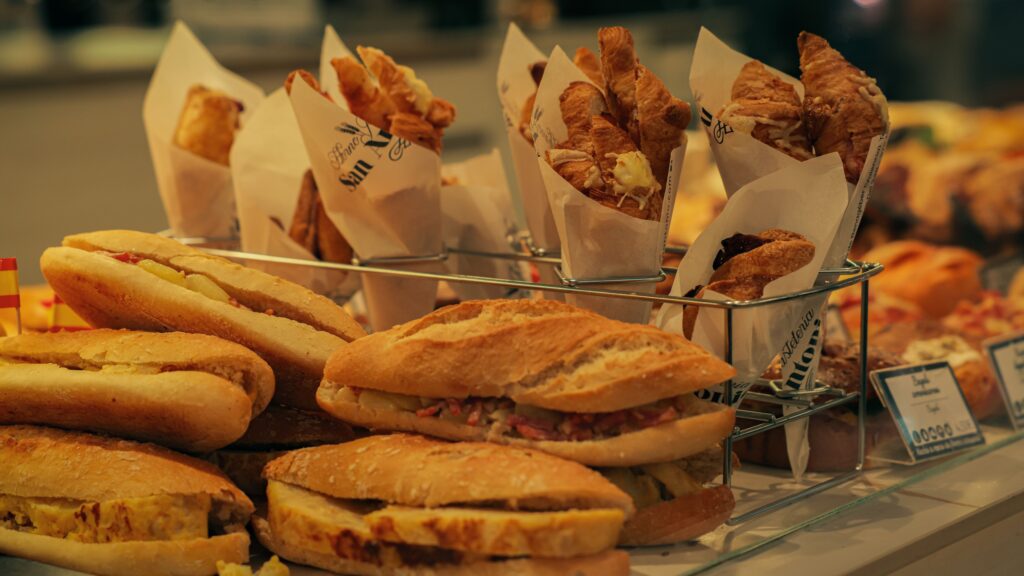
Saving on food in Spain isn’t about eating worse — it’s about eating like a local schedule instead of a tourist one.
- Make lunch your main meal. The midday menú del día at many restaurants offers multiple courses at a fraction of what the same quality would cost at dinner.
- Use markets for snacks and picnic meals, especially on days packed with sightseeing.
- Avoid the tourist-core restaurants right next to major landmarks — walk two or three streets away and prices usually drop while quality goes up.
- Mix one splurge meal with simpler daily eating. One memorable dinner is worth more than a week of mediocre ones.
- Look for regional specialties instead of generic “tourist menu” options — they’re often cheaper and more interesting, since they’re made for locals, not visitors.
Common Budget Travel Mistakes in Spain
A few habits quietly wreck a budget trip, even for careful travelers:
- Only visiting Madrid and Barcelona during peak summer, when prices and crowds are both at their highest
- Assuming museums are always paid, and missing free-entry windows as a result
- Eating every meal in tourist-core plazas, where prices are inflated for foot traffic
- Overusing transit in cities that are genuinely walkable
- Booking flights and stays too late, after shoulder-season pricing has already passed
- Assuming “budget” automatically means less culture, and skipping museums or markets altogether
FAQ
Is Spain a cheap vacation destination? Spain can be very affordable compared to much of Western Europe, especially outside Madrid and Barcelona and outside peak summer season. Costs vary a lot by region, so where and when you go matters as much as your daily budget.
How do you save money in Spain? Travel in shoulder season, book early, choose accommodation with a kitchen, walk instead of relying on transit, use free walking tours, and mix paid highlights with free attractions and market meals.
What are the best free things to do in Spain? Free walking tours, public plazas, parks and waterfront promenades, old-town wandering, and timed free-entry hours at major museums like the Prado and Reina Sofía are all strong, cost-free options.
What is a budget-friendly Spain itinerary? A good framework pairs one major city, like Madrid, with a lower-cost region such as Andalusia, Galicia, or Asturias — balancing a couple of paid highlights with plenty of free sightseeing and market-based meals.
Are museums in Spain ever free? Yes. Major state museums like the Prado and Reina Sofía in Madrid offer free entry during set windows, usually in the final hours before closing, plus additional free periods on select days. Always check current official hours before you go, since schedules can shift.
Which parts of Spain are cheaper than Madrid and Barcelona? Asturias, Galicia, and Andalusia tend to offer noticeably better value than Spain’s two biggest cities, with lower accommodation and food costs while still delivering strong culture, history, and scenery.
Quick Budget Tips Box
- Shoulder season (April–June, September–October) = lower prices, fewer crowds
- Free museum hours: Prado (evenings, plus Sundays/holidays) and Reina Sofía (evenings, plus Sunday until early afternoon) — verify current times before visiting
- Markets > tourist restaurants for both cost and experience
- Lunch, not dinner, is the best-value main meal
- One big city + one lower-cost region beats trying to “do” only Madrid and Barcelona
- Free walking tours are a great first-day orientation in any city
Conclusion
Spain is one of those rare places where a tight budget doesn’t have to mean a lesser trip. Between timed free-entry museum hours, food markets that outshine most restaurants, and regions that quietly out-value the big-name cities, there’s a version of this trip that feels elegant, cultural, and completely doable on a student or first-time-traveler budget. Build your itinerary around timing, markets, and smarter destination choices, and Spain will do the rest.