
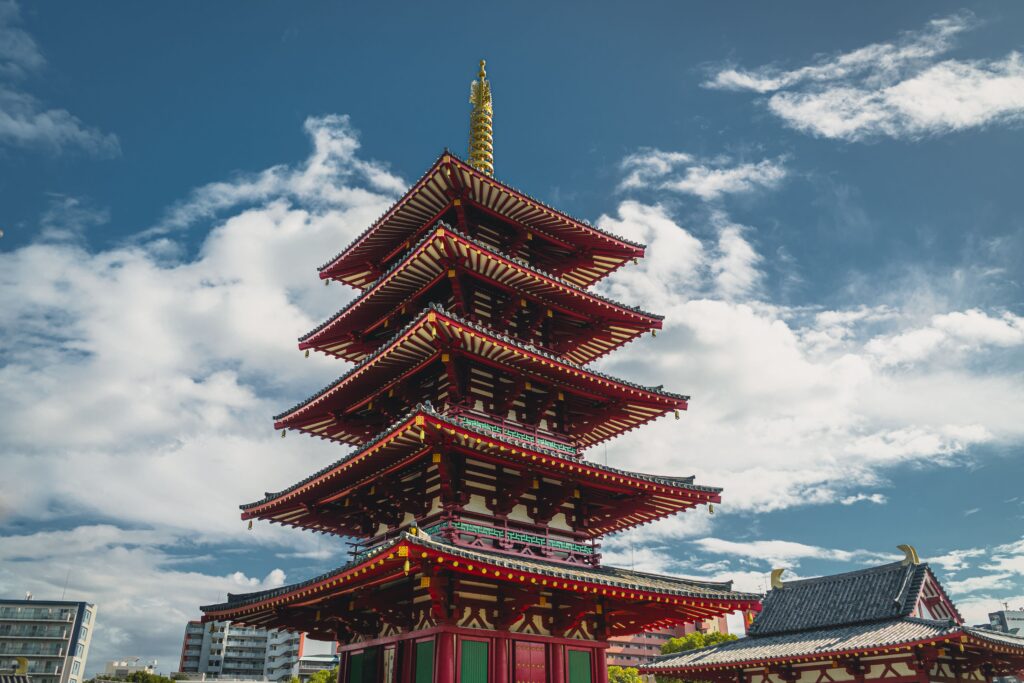
Japan is not hard to pack for. But it is very easy to overpack for.
If this is your first trip, you’ve probably already made a packing list, deleted it, and started a new one three times. That’s normal. Japan has a reputation for being detail-oriented and a little intimidating to plan for, and that anxiety tends to show up hardest in the suitcase. People bring backup shoes for their backup shoes. They pack for weather that isn’t happening. They bring a “just in case” outfit for an event that was never on the itinerary.
Here’s the honest version: Japan rewards travelers who pack light, practical, and flexible — not travelers who pack for every possible scenario. You’ll be walking more than you think, moving between hotels more than you think, and dealing with train platforms, stairs, and small hotel rooms more than you think. A lighter bag isn’t just more comfortable. It genuinely makes the trip easier.
This guide will help you figure out what to actually bring, what to skip, and how to think about packing for Japan without turning it into a research project.
Quick Answer: What Most First-Time Japan Travelers Really Need
If you only read one section, read this one.
- Comfortable walking shoes — broken in, not brand new
- Layers — more than heavy individual pieces
- A compact rain layer or umbrella — Japan’s weather changes fast
- A portable charger (power bank)
- Your passport, ID copies, and travel essentials in one place
- A light day bag for daily sightseeing
- Fewer clothes than you think you need — you will likely do laundry or rewear items
That’s the core of it. Everything else is seasonal or situational, and we’ll walk through it below.
The Biggest Packing Mistake First-Time Japan Visitors Make
The single biggest mistake is simple: bringing too much.
It’s an understandable mistake. Japan is a country people research heavily before visiting, and heavy research tends to produce heavy suitcases. But a typical Japan itinerary is built around a few things that specifically punish overpacking:
- Trains. You’ll likely use trains, subways, and possibly the shinkansen (bullet train) between cities. Dragging an oversized suitcase through a train station during a busy transfer is not fun, and overhead or under-seat storage space is limited.
- Hotel changes. Multi-city itineraries (Tokyo, Kyoto, Osaka) usually mean packing and unpacking every few days. The more you bring, the more there is to repack each time.
- Stairs. Not every station or hotel has a convenient elevator. Lighter luggage means less physical strain.
- Walking. Japan is an extremely walkable, transit-heavy country. You will likely rack up more daily steps than on a typical U.S. trip, and that changes what “comfortable” packing looks like.
- Compact spaces. Hotel rooms, especially in Tokyo, tend to be smaller than U.S. hotel rooms. A giant suitcase that needs its own zip code isn’t practical.
None of this means you need to travel like a minimalist. It just means the version of “prepared” that works well in Japan is different from the version that works well on, say, a road trip or a beach resort stay. Prepared in Japan looks like: comfortable, adaptable, and easy to move through a city with.
What to Bring to Japan
Clothes
Think in terms of a week’s worth of clothing, not a month’s worth — even if your trip is longer. Laundry is genuinely accessible in Japan (many hotels have laundry facilities, and coin laundromats are common), so packing for reuse is completely normal, not a compromise.
A practical clothing approach for most first-time trips:
- A mix of breathable, comfortable basics you can layer and re-wear
- One or two lightweight layering pieces (cardigan, light sweater, packable jacket) that work across a few outfits
- Weather-appropriate outerwear based on your season (more on this below)
- One slightly nicer outfit if you’re planning a special dinner, though this is optional for most itineraries
- Comfortable socks — more pairs than you think, especially if you’re doing a lot of walking or visiting temples/ryokan where you remove your shoes
The goal isn’t a different outfit for every day. It’s a small rotation of pieces that mix and match easily, hold up to walking, and layer well when temperatures shift during the day (which they often do).
Shoes
This is the category where first-time travelers most often get it wrong — usually by bringing too many pairs “just in case.”
What actually matters:
- One primary pair of broken-in, comfortable walking shoes. Not brand new out-of-the-box shoes. You want something already broken in before you’re logging tens of thousands of steps a day.
- Shoes that are easy to slip on and off are genuinely worth considering. You’ll encounter situations — temples, some restaurants, ryokan stays, certain traditional accommodations — where removing your shoes is expected.
- A backup pair, if you’d like one, but keep it lightweight — think a packable sandal or a simple second pair, not a full second walking shoe.
You do not need hiking boots unless you’re specifically doing serious trail hiking. You do not need a “going out” pair and a “walking” pair and a “backup” pair. One solid, comfortable primary pair covers the vast majority of first-time itineraries.
Rain and Weather Gear
Japan’s weather can shift during a single day, and this varies quite a bit by region and season, so it’s worth building in some flexibility rather than assuming one weather pattern for your whole trip.
- A compact umbrella or a light packable rain layer is genuinely useful to have on hand, especially since rain can appear with little warning in certain seasons.
- In warmer months, sun protection matters more than people expect — a hat, sunglasses, and sunscreen are all reasonable additions, particularly if your itinerary includes a lot of outdoor time.
- In cooler months, weather-appropriate layers matter more than a single heavy coat (more in the seasonal section below).
You don’t need to overprepare for every weather possibility. You need one small, flexible setup that handles “it might rain” and “it might be sunnier than expected” without adding much bulk.
Tech and Travel Essentials
Keep this category lean and functional:
- Your phone, obviously, plus a charging cable
- A portable charger (power bank) — you’ll likely be out and using your phone for maps, translation, and payments more than usual, so battery life matters
- Connectivity plan — many first-time visitors set up an eSIM before arrival so they have data from the moment they land, rather than hunting for wifi
- A plug adapter, but only if you actually need one — check your specific devices rather than assuming; not everything requires an adapter for Japan’s outlets
- A camera, if photography matters to you — but it’s optional, not essential, since most travelers get by fine with a phone camera
Resist the urge to pack “backup” tech for things you may never use. A charger, a cable, and a power bank cover most real situations.
Toiletries and Health Basics
Pack the essentials, not your entire bathroom cabinet:
- Any prescription medications, in original packaging, with enough supply for the trip
- A small first-aid or basic health kit (pain reliever, motion sickness remedy if needed, bandages)
- Travel-size toiletries — full-size versions are rarely necessary since most items are easy to find locally if you run out
Japan has convenience stores and drugstores nearly everywhere, so the “what if I run out” anxiety is lower here than in a lot of other destinations.
Bag Setup
How you organize matters almost as much as what you bring:
- Consider a carry-on-sized suitcase or a backpack rather than a large checked bag, especially if you’re moving between cities. It’s genuinely easier to manage on trains and in smaller hotel rooms.
- Bring one light day bag for daily sightseeing — something that comfortably holds a water bottle, your rain layer, your charger, and small essentials.
- Packing cubes can help if you like organized luggage, though they’re a nice-to-have, not a requirement.
- Plan for laundry, whether that’s hotel laundry service or a nearby coin laundromat, especially on trips longer than a week.
What to Skip Packing for Japan
This is where you can actually lighten your bag the most. Common overpacking patterns for first-time Japan trips include:
- Too many clothing options. You don’t need an outfit for every single day — you need a rotation that works.
- Multiple pairs of shoes “just in case.” One solid pair plus a lightweight backup is enough for almost every itinerary.
- Bulky “just in case” items — the extra heavy jacket, the second umbrella, the emergency outfit for an event that isn’t actually on your itinerary.
- Full-size toiletries. Travel-size versions work fine, and you can restock locally if needed.
- Too many “dressy” outfits. Unless you have a specific reservation or event that calls for it, most sightseeing days call for comfortable, breathable clothing, not formalwear.
- Items that are genuinely easy to buy on arrival. Japan has excellent convenience stores, drugstores, and shops, so a surprising number of “just in case” items simply aren’t necessary to bring from home.
If you’re debating whether to pack a third “just in case” jacket, the answer is probably no.
What to Wear in Japan by Season
Japan’s climate varies significantly by season and by region, so there isn’t one universal outfit strategy that works year-round. What works in Tokyo in August won’t work in Hokkaido in January, and a “typical” Japan wardrobe really depends on when and where you’re going.
Spring (March–May) Temperatures are generally mild but can still be cool, especially early in the season. Layering is your best friend here — a light jacket or cardigan you can add or remove as the day warms up works better than one heavier piece.
Summer (June–August) Expect warm, often humid conditions in much of the country. Breathable, lightweight fabrics matter a lot here, along with sun protection (hat, sunglasses, sunscreen). This is also a season where you’ll appreciate packing fewer, lighter clothing items since you’ll likely want to change more often in the heat.
Fall (September–November) Similar to spring in terms of layering strategy — comfortable during the day, cooler in the evenings, especially later in the season. A packable light-to-medium layer is usually enough.
Winter (December–February) This is where heavier layering actually matters. Depending on your specific destinations, temperatures can get genuinely cold, especially outside major cities or in northern regions. A proper warm coat, layers underneath, and accessories like a scarf or gloves are worth the extra suitcase space in winter.
The takeaway: check the specific season and specific region you’re visiting rather than assuming “Japan weather” is one single thing. A Tokyo-Kyoto-Osaka spring trip and a Hokkaido winter trip call for very different wardrobes.
Japan Packing List by Trip Style
City trip (Tokyo / Kyoto / Osaka): Comfortable walking shoes, layering pieces, a compact day bag, a rain layer, portable charger. Prioritize ease of movement over anything else.
Spring or fall first-timer itinerary: Lean into layers — a light jacket, breathable basics, and a packable rain layer cover most days.
Winter trip: Add a proper warm coat, thermal layers, gloves, and a scarf. Don’t rely on a single heavy jacket to do all the work — multiple thinner layers are more flexible than one bulky one.
Summer trip: Prioritize breathable fabrics, sun protection, and packing fewer items you’re comfortable rewearing or washing partway through the trip.
Family trip: Pack a little extra flexibility for kids (weather can affect them more), but the same core principle applies — fewer items, more reusability, comfort over “just in case” extras.
Carry-on-only traveler: Entirely doable for most itineraries. Focus on a tight clothing rotation, travel-size toiletries, and planning for laundry partway through the trip.
What You Can Probably Buy in Japan If You Forget It
One of the more reassuring things about Japan as a first-time destination is how easy it is to fill small gaps once you’re there. Convenience stores, drugstores, and shops are widely available, especially in cities, and they typically carry:
- Basic toiletries and personal care items
- Over-the-counter medication for common issues
- Umbrellas (genuinely everywhere, and inexpensive)
- Socks, basic clothing items, and phone chargers
- Snacks, drinks, and other daily essentials
This is a big part of why overpacking “just in case” items usually isn’t necessary. If you forget something small, there’s a very good chance you can pick it up within a few minutes of your hotel.
Smart Packing Tips for Japan
- Pack lighter than you think you need to. Most first-timers over-prepare, not under-prepare.
- Plan to rewear and do laundry rather than packing an outfit for every single day.
- Keep one compact day bag for daily sightseeing instead of switching bags constantly.
- Prioritize walking comfort over outfit variety. Comfortable shoes matter more than an extra outfit.
- Think in layers, not outfit perfection. Layers flex with the weather; fixed outfits don’t.
- Leave room in your suitcase. You’ll likely want space for anything you pick up while traveling.
FAQ
What should I pack for Japan? Focus on comfortable walking shoes, layering pieces, a compact rain layer, a portable charger, your travel documents, and a light day bag. Keep clothing to about a week’s worth and plan to rewear items or do laundry, even on longer trips.
What shoes should I bring to Japan? One pair of comfortable, broken-in walking shoes is the priority, ideally something easy to slip on and off. A lightweight backup pair is optional but not essential for most trips.
How much clothing do I need for Japan? Less than you’d expect. A week’s worth of mix-and-match basics, plus a layering piece or two, covers most itineraries — even ones longer than a week — since laundry is widely accessible.
What should I not pack for Japan? Skip multiple backup shoes, bulky “just in case” outerwear, full-size toiletries, overly formal outfits for casual sightseeing days, and anything you could easily buy locally if you ended up needing it.
Is Japan easy to travel with a carry-on? Yes, for most itineraries. A carry-on or backpack setup tends to be easier to manage on trains, in smaller hotel rooms, and across multi-city trips than a large checked suitcase.
What should I wear in Japan in [season]? It depends heavily on the season and region. Spring and fall call for flexible layering, summer calls for breathable fabrics and sun protection, and winter calls for real warmth — a proper coat, layers, and accessories like gloves and a scarf.
The Takeaway
If you pack for comfort, movement, and the actual season you’re traveling in — rather than for every possible scenario — you’ll probably be more prepared than you think. Japan is a country that rewards travelers who move light and stay flexible, and that starts with the suitcase.