
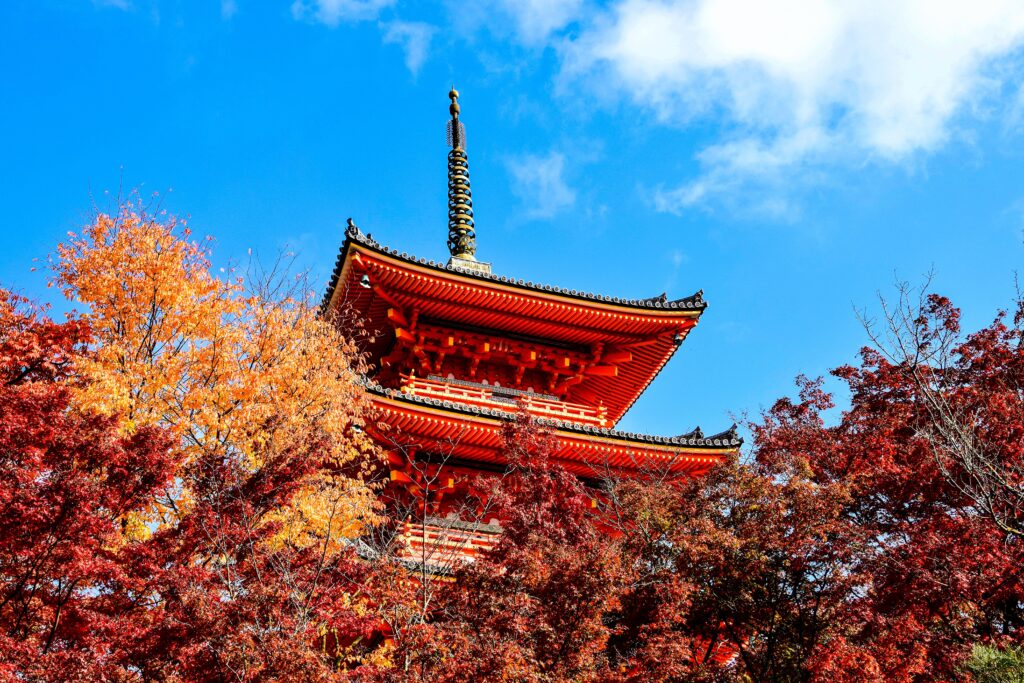
Kyoto is one of the most photogenic cities in Japan — but the version of Kyoto you’re picturing (quiet lanes, glowing temple gates, soft morning light on a pagoda) doesn’t just show up because you bought a plane ticket. It shows up because you were standing in the right place at the right time.
That’s really the whole game here. Kyoto’s famous spots are famous for a reason, but at the wrong hour they can feel more like a crowd management exercise than a photo op. Show up an hour earlier, though, and the same street or shrine path can feel like you have it almost to yourself.
This guide covers 12 of the best Kyoto photo spots for temples, historic streets, and sunrise scenes — plus when each one actually works best, so you’re not chasing the same crowded shot as everyone else at noon.
Quick answer — the best Kyoto photo spots at a glance
- Best temple photo spot: Kiyomizu-dera
- Best sunrise photo spot: Fushimi Inari Taisha
- Best historic street photo spot: Sannenzaka and Ninenzaka
- Best iconic Kyoto shot: Kinkaku-ji (the Golden Pavilion)
- Best spot to avoid crowds: To-ji Temple
- Best evening photo spot: Higashiyama district (Yasaka Pagoda area)
What makes a Kyoto photo spot actually worth visiting
Not every “Instagram spot” earns its reputation. Before adding anything to this list, it’s worth asking a few practical questions:
- Visual impact — does it actually look different from the last five temples you photographed?
- Accessibility — can a regular traveler get there without a private car or a 5 a.m. hike up a mountain with no signage?
- Timing potential — is there a real window when this place is calm, well-lit, and photogenic, or is it packed at every hour of the day?
- Crowd reality — how honest can we be about what you’ll actually experience there?
- Itinerary fit — does this spot make sense as part of a real Kyoto trip, or is it a detour that eats half a day for one photo?
With that in mind, here are the 12 spots worth building your Kyoto photo plan around.
The 12 best Kyoto photo spots
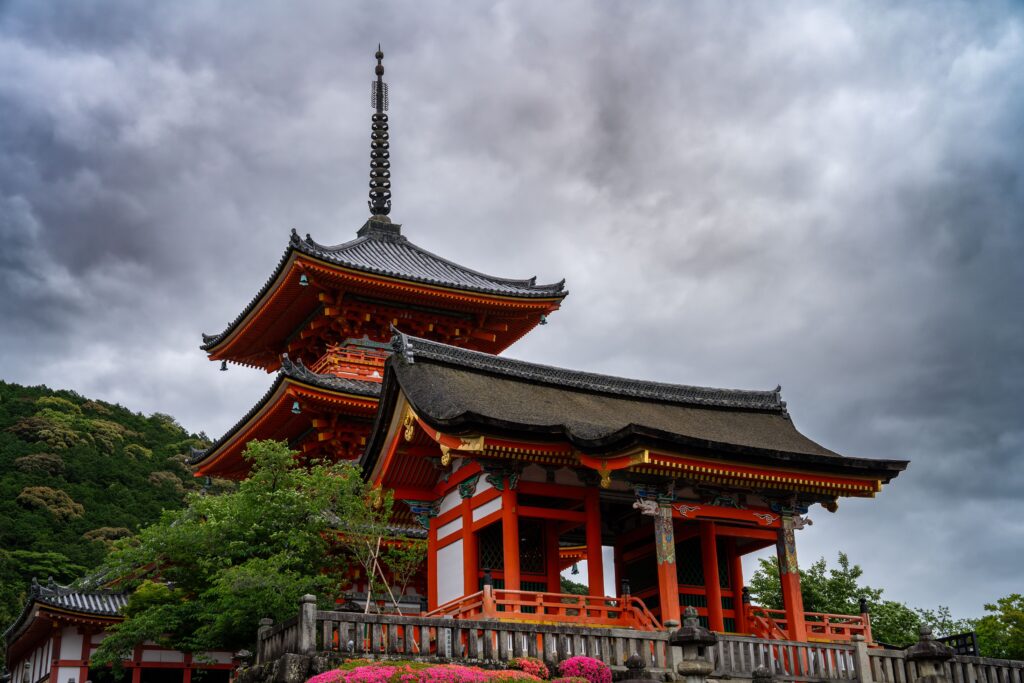
1. Kiyomizu-dera
Why it works: Kiyomizu-dera’s wooden stage juts out over the hillside with sweeping views over Kyoto and, depending on the season, a sea of green or crimson trees below. It’s one of the most photographed temples in Japan, and it earns that reputation.
Best for: First-time visitors who want one unmistakably “Kyoto” temple shot.
Best time to shoot: Right at opening, as early as 6:00 a.m. Arriving with the first wave (or before it) gets you soft light and a nearly empty stage, instead of shoulder-to-shoulder crowds by mid-morning.
Quick tip: The area around the temple is free to explore, but the inner grounds and the main viewpoint require an entry ticket. Budget a few extra minutes for the ticket line even at opening.
2. Sannenzaka and Ninenzaka
Why it works: These two connected stone-paved streets, lined with wooden machiya buildings, teahouses, and small shops, are about as close as you’ll get to a postcard version of old Kyoto.
Best for: Travelers who want atmospheric street photography rather than landmark shots.
Best time to shoot: Early morning, before shops open and tour groups arrive. Pairing this with an early Kiyomizu-dera visit is one of the most efficient photo mornings in the city.
Quick tip: Come back in the late afternoon if you want the streets with lanterns lit and shops open — just expect more people in frame.
3. Yasaka Pagoda (Hokan-ji)
Why it works: This five-story pagoda rising above the narrow streets of Higashiyama is one of the most recognizable silhouettes in Kyoto, especially when framed by a quiet side street.
Best for: A classic “old Kyoto skyline” shot without needing a temple ticket.
Best time to shoot: Early morning for empty streets, or blue hour in the evening when the pagoda is softly lit and the crowds thin out.
Quick tip: Walk the small side streets around the pagoda rather than shooting only from the main viewpoint — you’ll find quieter angles with fewer people walking through your frame.
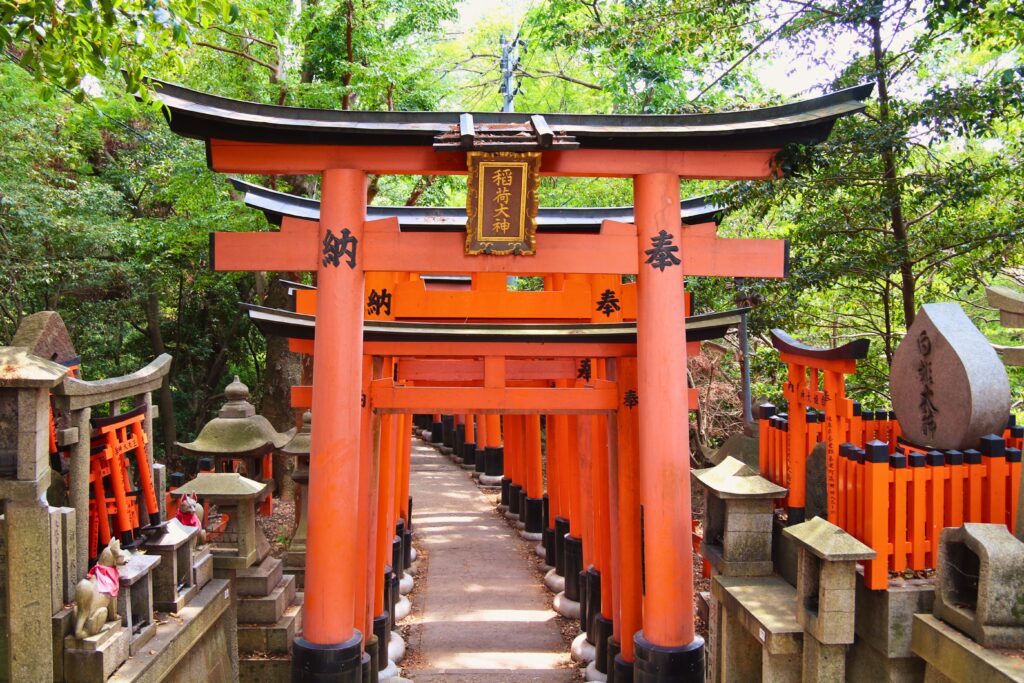
4. Fushimi Inari Taisha
Why it works: Thousands of vermillion torii gates forming tunnels up the mountainside make this one of the most visually striking sights in Japan.
Best for: Anyone chasing that specific, unmistakable “endless red gates” photo.
Best time to shoot: About an hour after sunrise. Early enough to avoid the worst of the day’s crowds, but with enough light filtering through the gates to make the color pop.
Quick tip: The lower gates near the entrance are the most crowded. Keep walking uphill — crowds thin out noticeably the farther you go, and you’ll find quieter tunnel sections.
5. Arashiyama Bamboo Grove
Why it works: Towering bamboo stalks create a natural green corridor that feels almost otherworldly — one of the most unique settings in Kyoto for photos.
Best for: Travelers who want a nature-driven shot rather than another temple or shrine image.
Best time to shoot: First light. Arashiyama is genuinely one of the busiest areas in Kyoto by mid-morning, and the grove is narrow enough that even a moderate crowd can dominate a photo.
Quick tip: Combine this with a stop at nearby Tenryu-ji temple grounds, which tend to be calmer earlier in the day too.
6. Kinkaku-ji (Golden Pavilion)
Why it works: A gold-leaf-covered pavilion reflected in a still pond — it’s one of the most iconic images associated with Kyoto, and photos genuinely do it justice.
Best for: First-timers who want the single most recognizable Kyoto shot for their trip.
Best time to shoot: Photographs best on a calm, windless day when the pond is still enough to produce a clean reflection. Weekday mornings shortly after opening also help with crowd levels.
Quick tip: Don’t rush this one — check the weather forecast and prioritize a calm day over a rigid schedule if your itinerary allows it.
7. To-ji Temple
Why it works: Home to Japan’s tallest wooden pagoda, To-ji offers a striking temple photo without the crowd pressure of Kiyomizu-dera or Fushimi Inari.
Best for: Travelers who want a genuinely quieter alternative to the more famous temples.
Best time to shoot: Very early — To-ji opens as early as 5:00 a.m., making it one of the best low-crowd options in the entire city.
Quick tip: This is a strong pick if you want a temple photo without building your whole morning around crowd strategy.
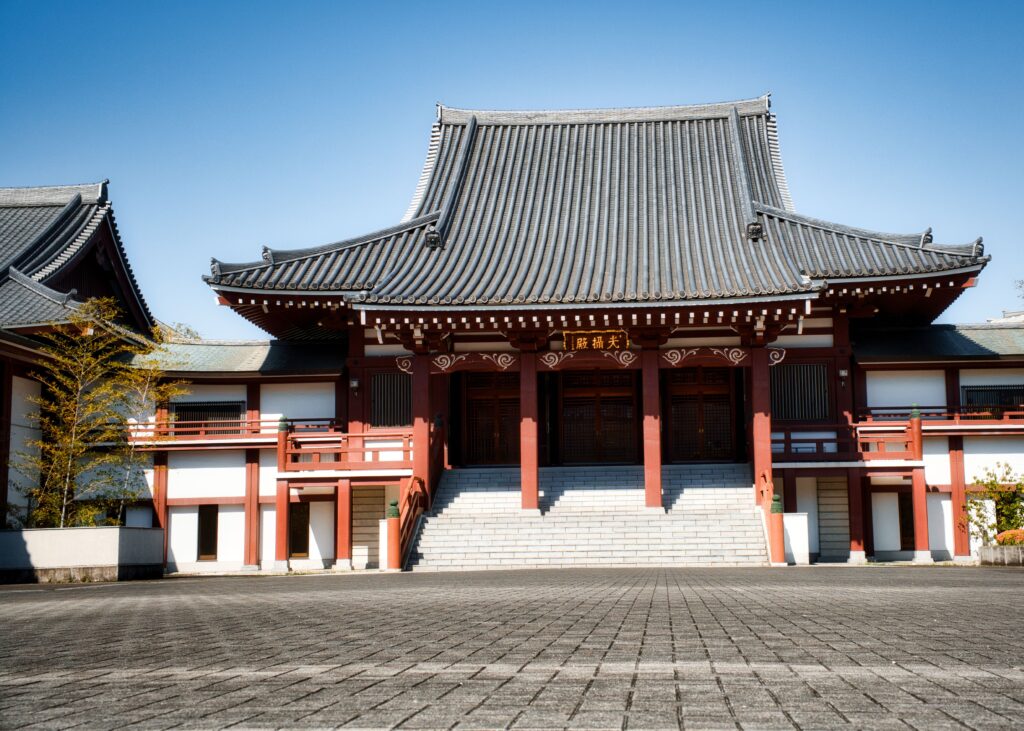
8. Higashi Honganji
Why it works: A massive, historic temple complex close to Kyoto Station, offering grand architecture without requiring a long trip out of the city center.
Best for: Travelers with limited time who still want a temple photo stop on the way to or from the station.
Best time to shoot: Around opening, roughly 5:50–6:20 a.m. depending on the season.
Quick tip: Because of its central location, this is an easy add-on to an early-morning route rather than a separate outing.
9. Philosopher’s Path
Why it works: A quiet, canal-side walking path connecting several temples in northern Higashiyama, lined with trees that change dramatically by season.
Best for: Travelers who want a slower, more contemplative style of photo — think reflections, canals, and tree-lined paths rather than crowds and landmarks.
Best time to shoot: Early morning on a weekday, when the path is closest to empty.
Quick tip: This works well as a calm transition between busier stops like Ginkaku-ji and the Higashiyama district.
10. Gion district (Hanamichi-dori and side streets)
Why it works: Traditional wooden facades, teahouses, and the occasional glimpse of a geiko or maiko make Gion one of the most atmospheric street photography areas in Kyoto.
Best for: Travelers looking for classic, cinematic Kyoto street scenes.
Best time to shoot: Early morning for empty streets and clean architectural shots, or early evening for lantern light and atmosphere.
Quick tip: Be respectful with your camera here — this is a residential and working neighborhood, not a photo set, and there are local rules restricting photography on some private streets.
11. Kamo River (Kamogawa) at sunrise
Why it works: Wide, calm, and lined with walking paths, the river offers open sky views that are hard to find elsewhere in central Kyoto — ideal for soft sunrise color.
Best for: Travelers who want a quieter, more open-air sunrise shot without a temple crowd involved at all.
Best time to shoot: Sunrise, when the light reflects off the water and the paths are nearly empty.
Quick tip: This is a good “reset” stop if you want one calm, crowd-free location on an otherwise busy photo morning.
12. Nishiki Market entrance (Kyoto’s “Kitchen”)
Why it works: A covered, narrow market street packed with food stalls, lanterns, and everyday Kyoto life — a strong contrast to the temple- and nature-heavy spots on this list.
Best for: Travelers who want an authentic, lived-in street scene rather than another landmark shot.
Best time to shoot: Shortly after opening, before the aisles fill up. Note this one leans later morning by nature, since it’s a working market rather than a temple.
Quick tip: This works best as a midday or lunch-break stop between your early-morning temple route and an afternoon rest.
Best sunrise photo spots in Kyoto
If you only build your alarm clock around a few spots, make it these:
- Fushimi Inari Taisha — best about an hour after sunrise, once there’s enough light in the torii tunnels but before the crowds peak.
- Kiyomizu-dera — opens as early as 6:00 a.m., making it one of the easiest genuine sunrise-adjacent temple visits.
- To-ji Temple — opens at 5:00 a.m., the earliest access on this list and a strong pick if you’re an early riser.
- Arashiyama — best reached by first light, since the bamboo grove and surrounding temples get noticeably busier as the morning goes on.
Best Kyoto street photo spots
For the traditional “old Kyoto” street look, prioritize:
- Sannenzaka and Ninenzaka — the most reliably photogenic stone streets in the city
- Yasaka Pagoda side streets — for that classic pagoda-above-rooftops framing
- Gion — for teahouse facades and lantern-lit evenings
- Higashiyama district as a whole — genuinely more peaceful at night, once the day-trip crowds have cleared out
A strong combo for one morning: Kiyomizu-dera, then Sannenzaka, Ninenzaka, and Yasaka Pagoda, all in the calm of early morning before the neighborhood wakes up.
Best Kyoto temple photo spots
If temples are your priority, this is the shortlist:
- Kiyomizu-dera — the most iconic single temple shot in Kyoto
- Kinkaku-ji — the most recognizable, especially with a calm reflection
- To-ji — the quietest major temple option
- Higashi Honganji — the most convenient if you’re short on time near the station
How to avoid crowds at Kyoto photo spots
Kyoto’s biggest sites can be genuinely peaceful — just not at the times most travelers show up. A few strategies that consistently help:
- Go right after opening. Many temples open early enough that arriving at opening time (rather than mid-morning) can cut crowds dramatically.
- Or go in the last hour before closing. The golden hour before closing is often nearly as quiet as opening, with warmer light.
- Prefer weekdays over weekends. Weekend crowds at places like Fushimi Inari and Arashiyama are noticeably heavier.
- Look for quieter alternatives near famous landmarks. To-ji instead of a second Kiyomizu-dera visit, or the Philosopher’s Path instead of a packed Gion afternoon.
- Use early morning or early evening for shrine and temple grounds that stay accessible outside main visiting hours. Not every site closes its grounds tightly, and some can be experienced with far fewer people outside the busiest midday window.
Common mistakes travelers make when photographing Kyoto
- Arriving “kind of early,” but not early enough. 8 a.m. already feels different from 6 a.m. at most major sites.
- Expecting a clean, empty-feeling shot at peak hours. Midday at Fushimi Inari or Arashiyama is a different experience than the same spot at sunrise.
- Trying to cram too many famous spots into one day. Two or three well-timed locations beat six rushed ones.
- Ignoring the weather. Kinkaku-ji’s reflection shot depends on calm water, and overcast light can actually help soften harsh shadows at temples like Kiyomizu-dera.
- Treating every spot as equally good at every hour. The same location can look completely different at 6 a.m. versus 1 p.m. — plan around that instead of fighting it.
Suggested 1-day Kyoto photo route
A realistic route for one focused photo day, front-loaded around the early morning advantage:
- 5:00–6:00 a.m. — To-ji Temple (earliest opening, quiet start)
- 6:00–7:30 a.m. — Kiyomizu-dera, then walk down through Sannenzaka and Ninenzaka
- 7:30–8:15 a.m. — Yasaka Pagoda and the surrounding Higashiyama streets
- 9:00–10:30 a.m. — Fushimi Inari Taisha (roughly an hour after sunrise, before peak crowds)
- Midday — Nishiki Market for lunch and a change of scene
- Afternoon — Arashiyama Bamboo Grove and Kinkaku-ji (weather permitting for the reflection)
- Evening — Back to Higashiyama or Gion for lantern-lit street shots
This route front-loads the temples and shrines that reward early arrival, then eases into the market and nature spots that don’t depend as heavily on beating the crowds.
FAQ
What are the best photo spots in Kyoto? Kiyomizu-dera, Fushimi Inari Taisha, Sannenzaka and Ninenzaka, Kinkaku-ji, and the Arashiyama Bamboo Grove are consistently the strongest picks, covering temples, shrines, streets, and nature in one trip.
Where is the best sunrise spot in Kyoto? Fushimi Inari Taisha, photographed roughly an hour after sunrise, is one of the best sunrise-adjacent spots, along with To-ji Temple, which opens as early as 5:00 a.m.
When should I photograph Fushimi Inari? About an hour after sunrise is the sweet spot — enough light to bring out the color of the torii gates, but early enough to avoid the heaviest crowds.
Are Kyoto photo spots too crowded? Some of the most famous ones can get genuinely crowded by mid-morning, especially on weekends. The good news is that most of them have a real quiet window, usually right at opening or in the last hour before closing.
What time should I visit Kiyomizu-dera for photos? As close to its opening time as possible, as early as 6:00 a.m. Note that the inner grounds and main viewpoint require a ticket, even though the surrounding area is free to walk.
What are the best Kyoto street photo locations? Sannenzaka, Ninenzaka, the streets around Yasaka Pagoda, and Gion are the strongest options for traditional Kyoto street scenes.
Final takeaway
Kyoto doesn’t need a filter to look beautiful — it needs you to show up before everyone else does. The difference between a nice photo and a genuinely great one in this city is rarely about gear or editing. It’s almost always about timing.
Planning the rest of your Japan trip? Check out our guides on the best eSIM for Japan, best eSIMs for international travel, where to stay in Tokyo for first-time visitors, best language apps for travelers, and our companion guide to Tokyo photo spots.