
Tokyo is one of the best cities in the world to visit — and one of the easiest to overcomplicate before you’ve even landed. It’s not one city so much as a dozen distinct ones stitched together by trains, and picking the wrong base can quietly cost you an hour of commuting every single day of your trip.
Here’s the good news: you don’t need to find the “coolest” neighborhood in Tokyo. You need the right one for how you want your first trip to feel. This guide walks through the 7 best areas to stay in Tokyo for first-timers, what kind of traveler each one suits, and specific hotels to book at every budget — so you can stop scrolling forums at 1am and just book something that fits.
Quick answer: the best Tokyo areas for first-timers
If you only read one section, read this one.
- Best overall for first-timers: Shinjuku
- Best for nightlife and youth culture: Shibuya
- Best for traditional atmosphere: Asakusa
- Best for families: Ueno
- Best for convenience and train access: Tokyo Station / Marunouchi
- Best for shopping and a polished feel: Ginza
- Best for calmer stays and museums/luxury: Roppongi / Minato
None of these is a wrong answer. They’re just built for different kinds of trips, which is exactly what the rest of this guide will help you sort out.
How to choose the right area in Tokyo
Before jumping into neighborhoods, it helps to know what’s actually driving the decision. A few honest questions to ask yourself:
- What’s your trip pace? Fast-moving and sightseeing-heavy, or slower with room to wander?
- How much do transport and convenience matter to you? Some areas save you real time every day; others trade that for atmosphere.
- What’s your budget? Tokyo has excellent hotels at every price point, but neighborhood affects how far your money goes.
- Do you want nightlife, or do you want quiet? Being steps from izakayas and neon is very different from being able to sleep at 10pm.
- How confident do you feel navigating a big, busy city? Some areas (like Shinjuku) are more overwhelming than others (like Ueno or Asakusa).
Keep your answers in mind as you read through the areas below — they’ll do most of the sorting for you.
1. Shinjuku
Best for: first-timers who want maximum convenience and don’t mind energy and noise
Why stay here: Shinjuku Station is one of the busiest transit hubs in the world, which sounds intimidating but actually works in your favor — nearly every train line you’ll use passes through it. It’s an easy base for reaching almost anywhere in Tokyo, and it also has direct train access for day trips to Hakone or Mt. Fuji.
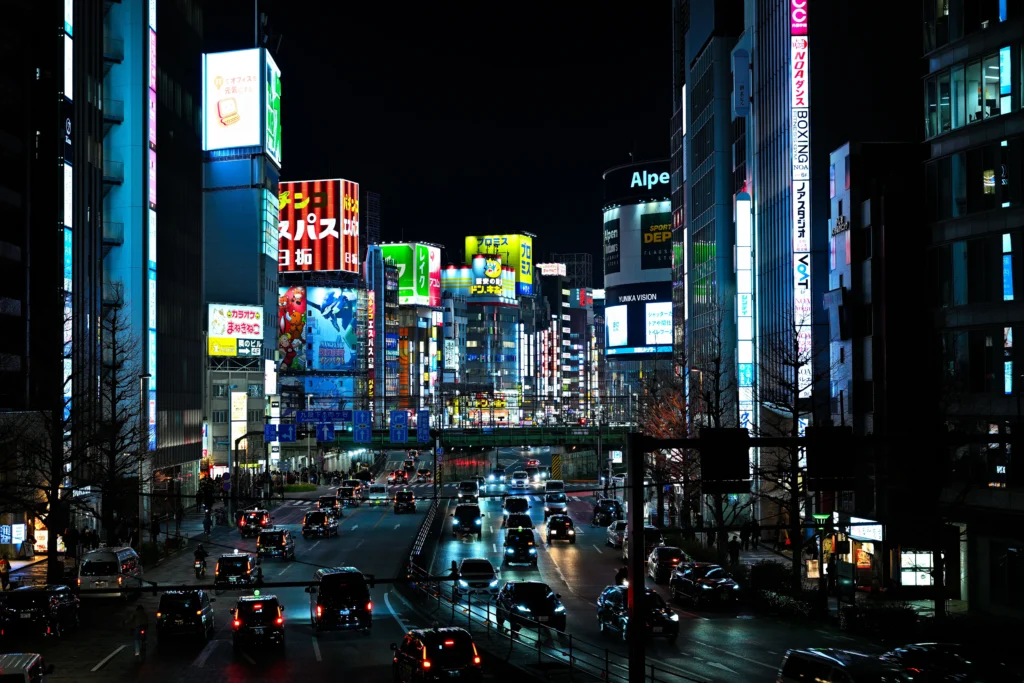
The vibe: Loud, bright, and a little chaotic in the best way. Neon signage, department stores, izakayas, and the infamous Kabukicho entertainment district are all part of the package. West Shinjuku, by contrast, is calmer and more business-district in feel, with skyscraper hotels and skyline views.
Pros:
- Unmatched train connectivity to the rest of the city
- Huge range of hotels at every price point
- Tons of dining, shopping, and things to do without leaving the area
Cons:
- Can feel overwhelming, especially near the station’s east side
- Kabukicho gets rowdy at night, and touts occasionally approach tourists (politely declining and walking on is all you need to do)
- Not the most atmospheric or “local-feeling” part of Tokyo
Who should skip it: Travelers who want a quiet evening routine, or families who’d rather avoid the nightlife district entirely.
3 hotel picks:
- Budget: Sotetsu Fresa Inn Higashi Shinjuku — clean, quiet, and a short walk from the station’s east side action.
- Mid-range: Hotel Century Southern Tower — just south of Shinjuku Station, near Shinjuku Gyoen park, with a calmer feel than Kabukicho hotels.
- Splurge: Park Hyatt Tokyo — the hotel made famous by Lost in Translation, with sweeping city views and a serene, high-floor feel above all the noise.
2. Shibuya
Best for: first-timers who want energy without quite as much chaos as Shinjuku, plus easy access to Harajuku and Omotesando
Why stay here: Shibuya has gone through a major redevelopment in recent years, and it now blends the youthful energy it’s known for with newer, more polished infrastructure. It’s walkable to Harajuku, Meiji Shrine, and Omotesando, which makes it a strong base if fashion, cafes, and youth culture are part of your trip.
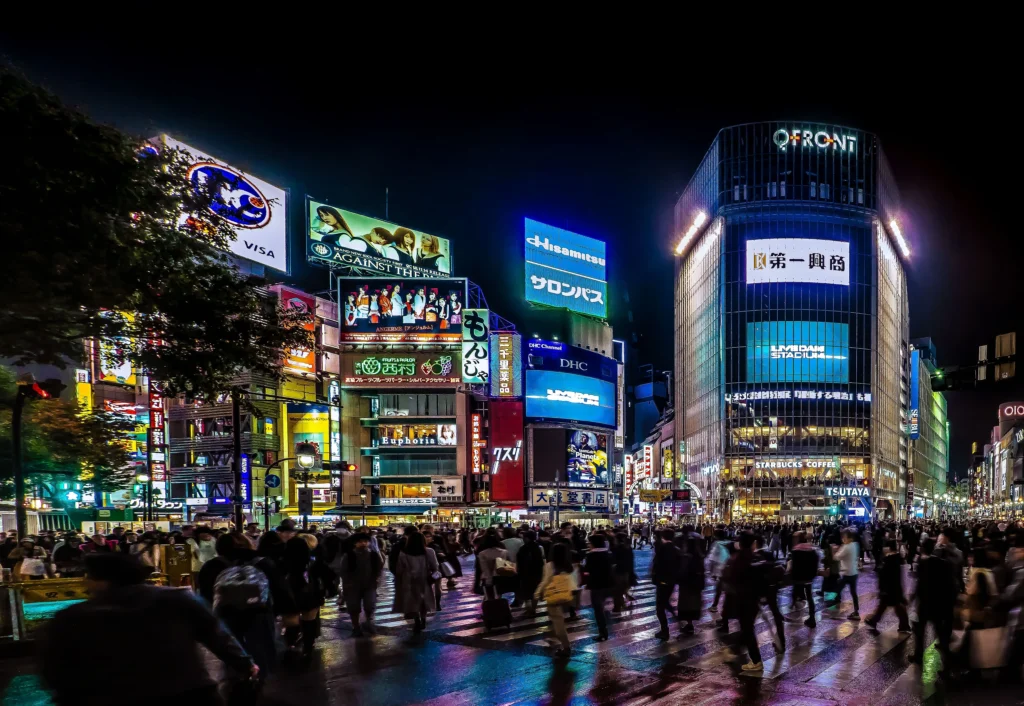
The vibe: Trendy and fast-paced, centered around the famous Shibuya Scramble Crossing, but with quieter side streets just a few minutes away.
Pros:
- Excellent subway access to most of Tokyo
- Walkable to some of the best shopping and people-watching in the city
- Slightly more design-forward hotel options than Shinjuku
Cons:
- Hotels tend to run a bit pricier than similar options in Shinjuku
- Less convenient than Shinjuku or Tokyo Station for day trips and Shinkansen travel
- Can still feel very busy, especially right around the crossing
Who should skip it: Travelers prioritizing Shinkansen or airport access above everything else, or anyone who wants total quiet right outside their hotel door.
3 hotel picks:
- Budget: JR-East Hotel Mets Shibuya — simple, well-located, and easy walking distance to the station.
- Mid-range: Shibuya Granbell Hotel — stylish rooms with a good balance of price and location.
- Splurge: Shibuya Stream Hotel — modern design, excellent reviews, and a quieter entrance near the station’s south side.
3. Asakusa
Best for: first-timers who want old-Tokyo atmosphere, temples, and a slower pace
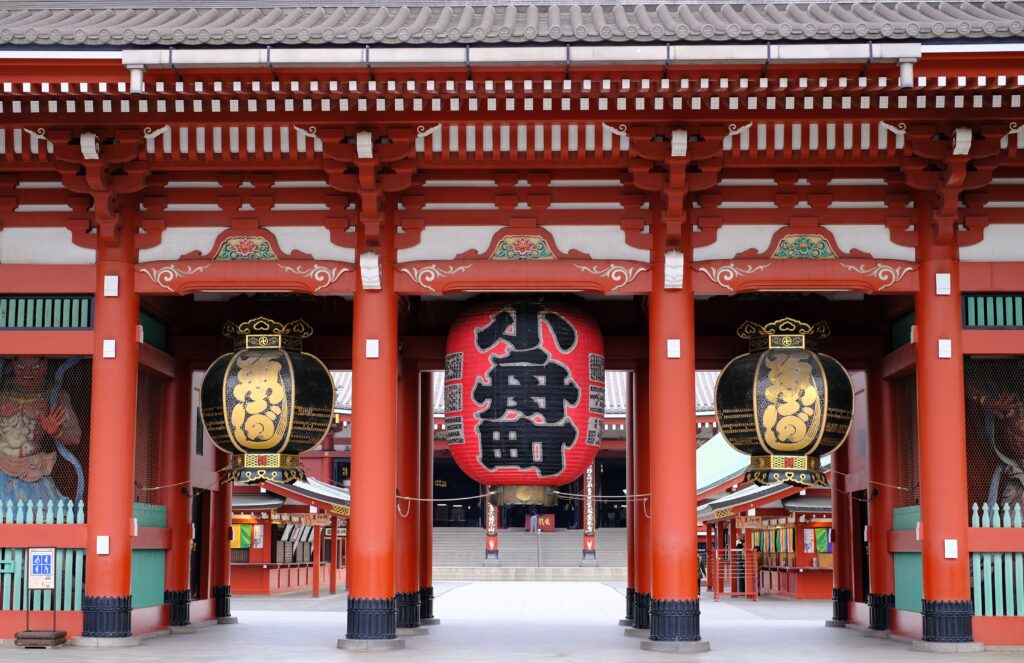
Why stay here: Asakusa is home to Senso-ji, Tokyo’s oldest temple, and the historic Nakamise-dori shopping street leading up to it. Staying here means you can walk to the temple grounds at sunrise, before the tour groups arrive, and fall asleep in a neighborhood that actually feels like a neighborhood rather than a transit hub.
The vibe: Traditional and unhurried, with lantern-lit streets, old shophouses, and the Sumida River nearby. It’s quieter at night than Shinjuku or Shibuya, which some travelers love and others find a little sleepy.
Pros:
- Genuinely atmospheric — the closest thing to “old Tokyo” that’s still easy for tourists to reach
- Generally more affordable hotels than west-side neighborhoods
- Good access to Narita and Haneda airports via direct train lines
Cons:
- 30–40 minutes by train to Shibuya or Shinjuku, so it’s not ideal if those areas are central to your plans
- Fewer late-night dining and nightlife options
- Some of the best-loved stays are traditional ryokans, which won’t suit every traveler’s taste
Who should skip it: Travelers who want to be in the middle of the action every night, or anyone unwilling to factor in a longer commute to west Tokyo.
3 hotel picks:
- Budget: Tobu Hotel Asakusa — solid ratings and right next to Asakusa Station.
- Mid-range: Richmond Hotel Premier Asakusa International — walkable to Senso-ji, Kaminarimon, and Nakamise-dori.
- Splurge: Kaminarimon Ryokan — traditional tatami rooms just steps from the temple gate, for travelers who want one truly memorable night in a Japanese-style stay.
4. Ueno
Best for: families and budget-conscious first-timers who still want an easy, well-connected base
Why stay here: Ueno is one of Tokyo’s most underrated first-timer neighborhoods. It sits on the Yamanote Line loop, has direct access to Narita Airport via the Keisei Skyliner, and puts you next to Ueno Park, its museums, and the Ueno Zoo — all useful if you’re traveling with kids.
The vibe: Calmer and more local than Shinjuku or Shibuya, with a mix of markets, museums, and everyday Tokyo life. The Ameyoko shopping street nearby is great for affordable food and souvenirs.
Pros:
- More budget-friendly hotel rates than Shinjuku or Shibuya
- Easy Skyliner access from Narita Airport
- Good fit for families thanks to parks, museums, and a less overwhelming pace
Cons:
- Fewer bus and limousine connections than areas like Shinjuku or Tokyo Station
- Less nightlife and fewer late-night dining options
- Not the most exciting base if you’re chasing Tokyo’s trendiest neighborhoods
Who should skip it: Travelers who want nightlife within walking distance, or anyone who wants to be closer to Shibuya’s west-side attractions.
3 hotel picks:
- Budget: Tokyo Ueno Touganeya Hotel — simple, clean, and a five-minute walk from Ueno Station.
- Mid-range: Hotel Resol Ueno — about a minute from JR Ueno Station, with easy access to Ameyoko and Ueno Park.
- Splurge: Mitsui Garden Hotel Ueno — a step up in comfort, right in front of the station, with a design-forward feel.
5. Tokyo Station / Marunouchi
Best for: first-timers prioritizing convenience above all else, especially those combining Tokyo with Kyoto or Osaka
Why stay here: Tokyo Station is the country’s main rail hub, with direct Shinkansen (bullet train) access to nearly everywhere in Japan. Staying here means effortless day trips and a stress-free departure if you’re continuing on to Kyoto, Osaka, or beyond. Marunouchi itself is polished and business-oriented, with wide streets, upscale shopping, and the Imperial Palace grounds within walking distance.
The vibe: Clean, orderly, and calm — more corporate than characterful, but extremely easy to navigate.
Pros:
- Best train and Shinkansen access of any area on this list
- Walkable to Ginza and Nihonbashi
- Broad range of hotels, including some of Tokyo’s finest luxury properties
Cons:
- Quiet and fairly business-focused at night
- Less of a distinct “neighborhood” feel than Asakusa or Shibuya
- Fewer budget options compared to Ueno or Asakusa
Who should skip it: Travelers looking for nightlife or a strong local, walkable neighborhood feel right outside their hotel.
3 hotel picks:
- Budget/mid-range: Mitsui Garden Hotel Kyobashi — close to Tokyo Station’s Yaesu side, with more reasonable rates than staying directly above the station.
- Mid-range: Hotel Metropolitan Tokyo Marunouchi — a strong balance of location, comfort, and value near the station.
- Splurge: The Tokyo Station Hotel — historic architecture built directly into the station itself, with surprisingly quiet rooms despite sitting above one of the busiest transit hubs in the country.
6. Ginza
Best for: couples, shoppers, and first-timers who want a refined, upscale base
Why stay here: Ginza is Tokyo’s high-end shopping and dining district, known for department stores, flagship boutiques, and one of the highest concentrations of excellent restaurants in the city. It’s calmer and more polished than Shinjuku or Shibuya, while still being centrally located and walkable to Tokyo Station and Hibiya Park.
The vibe: Elegant and unhurried, with wide sidewalks, art galleries, and a more grown-up energy than Tokyo’s youth-culture neighborhoods.
Pros:
- Excellent shopping and some of Tokyo’s best dining
- Close to Tokyo Station for onward travel
- Feels safe, calm, and easy to navigate for first-timers who want less sensory overload
Cons:
- Can feel more like a shopping district than a lived-in neighborhood
- Generally pricier hotels than Ueno or Asakusa
- Quieter nightlife scene than Shinjuku or Shibuya
Who should skip it: Budget travelers, or anyone hoping for a lively nightlife scene right outside their door.
3 hotel picks:
- Budget: Karaksa Hotel Ginza — simple and well-located for a night or two before onward travel.
- Mid-range: Mitsui Garden Hotel Ginza Premier — comfortable, centrally located, and a reliable mid-tier choice in a pricier area.
- Splurge: MUJI Hotel Ginza — set above the flagship MUJI store, with the brand’s understated design running through every room; a favorite for travelers who love the aesthetic, though it books up fast.
7. Roppongi / Minato
Best for: families, luxury travelers, and anyone who wants museum access with a calmer evening routine
Why stay here: Roppongi and the wider Minato area are home to some of Tokyo’s best contemporary art museums, family-friendly attractions, and a strong lineup of luxury hotels. It’s a more residential, embassy-adjacent part of the city, which makes for quieter streets while still being centrally located.
The vibe: Polished and international, with green space, museums, and a slower pace than Tokyo’s shopping and entertainment hubs — alongside pockets of nightlife for travelers who want it.
Pros:
- Strong lineup of family-friendly and luxury hotels
- Good museum and gallery access (Mori Art Museum, National Art Center)
- Calmer, more residential feel at night
Cons:
- Less centrally located for train connections than Shinjuku or Tokyo Station
- Fewer budget hotel options
- Not the easiest area to reach some of Tokyo’s east-side sights, like Asakusa
Who should skip it: Budget-conscious solo travelers, or anyone whose itinerary is centered on Asakusa, Ueno, or east Tokyo.
3 hotel picks:
- Mid-range: Prince Park Tower Tokyo — comfortable rooms with skyline views near Tokyo Tower.
- Splurge: Grand Hyatt Tokyo — reliable luxury with excellent dining, right in the heart of Roppongi.
- Ultra-splurge: The Ritz-Carlton Tokyo — top-floor luxury with some of the best views in the city, ideal for a special-occasion first trip.
Best area in Tokyo for different traveler types
- First-time couple: Shibuya or Ginza — energetic or refined, depending on your style
- Solo traveler: Shinjuku — maximum convenience and a huge range of budget hotels
- Family with kids: Ueno — parks, museums, and an easier pace
- Food-focused traveler: Shinjuku or Asakusa — both offer excellent, varied dining within walking distance
- Nightlife-focused traveler: Shinjuku, specifically near Kabukicho, or Shibuya
- Calmer, quieter traveler: Roppongi/Minato or Tokyo Station/Marunouchi
- Traveler doing Tokyo + Kyoto + Osaka: Tokyo Station/Marunouchi, for the easiest Shinkansen access
Shinjuku vs. Shibuya vs. Asakusa — which one is right for you?
These three come up in almost every first-timer’s shortlist, so here’s the direct comparison:
- Choose Shinjuku if transport convenience is your top priority. It has the widest hotel selection, the best train connectivity, and works well as a base for day trips to Hakone.
- Choose Shibuya if you want your evenings to feel more effortless and fun, with walkable access to Harajuku and Omotesando. It’s slightly less convenient than Shinjuku for cross-city travel, but the tradeoff is worth it for many first-time couples and solo travelers.
- Choose Asakusa if traditional atmosphere matters more to you than being in the center of the action. You’ll trade some convenience for a genuinely charming, slower-paced neighborhood — and you’ll still have solid airport access.
There’s no wrong choice here. Just be honest about which tradeoff you’re willing to make.
Common mistakes first-time visitors make when booking Tokyo hotels
- Choosing based only on price. A cheaper hotel that adds 40 minutes of commuting per day isn’t actually saving you anything.
- Underestimating how huge Tokyo is. Distances that look small on a map can mean multiple train transfers in reality.
- Booking somewhere trendy but exhausting. A hyped neighborhood isn’t automatically the right fit for your trip style.
- Booking far from the stations you’ll actually use. Check which train lines your hotel connects to, not just which neighborhood it’s in.
- Overvaluing hotel luxury and undervaluing location. A beautiful hotel in the wrong part of the city will cost you more time than it saves you in comfort.
Final recommendation: where most first-time visitors should stay
If you want one answer and nothing else: Shinjuku is the safest, most convenient first-time base for most travelers, thanks to its train connectivity and range of hotels at every budget. If you’d rather trade a bit of convenience for atmosphere, Shibuya (for energy) or Asakusa (for tradition) are both excellent alternatives. Families and budget travelers should take a close look at Ueno, and anyone combining Tokyo with Kyoto or Osaka should strongly consider Tokyo Station/Marunouchi for the smoothest possible transition.
FAQ
What is the best area to stay in Tokyo for first-time visitors? Shinjuku is generally the best all-around choice thanks to its train connectivity and range of hotels, though Shibuya and Asakusa are both strong alternatives depending on your trip style.
Is Shinjuku or Shibuya better for first-timers? Shinjuku offers better transport convenience and a wider hotel selection. Shibuya offers a slightly calmer, trendier evening experience with strong walkability to Harajuku and Omotesando. Neither is wrong — it comes down to whether you prioritize convenience or atmosphere.
Is Asakusa too far from everything? Not for most itineraries. It’s roughly 30–40 minutes by train to Shibuya or Shinjuku, which is manageable if your days are already built around trains. It’s an excellent choice if traditional atmosphere matters more to you than being steps from west-side nightlife.
What part of Tokyo is easiest for tourists? Shinjuku and Tokyo Station/Marunouchi are generally the easiest to navigate thanks to their train connectivity, English signage, and dense hotel options.
Where should families stay in Tokyo? Ueno is a strong choice thanks to its parks, museums, and calmer pace. Roppongi/Minato is also a good option for families who want more of a resort-style, luxury base.
How many nights should I stay in Tokyo? Most first-time visitors do well with 4–5 nights in Tokyo, which gives enough time to explore 2–3 neighborhoods properly without feeling rushed.
The takeaway
You don’t need to find the “perfect” Tokyo neighborhood. You just need one that matches how you want your first trip to feel — convenient or atmospheric, lively or calm, central or character-driven. Pick the area that fits your trip style, book a hotel that’s an easy walk from a train station, get staying connected sorted before you land, and the rest of Tokyo will feel a lot more manageable than it does from the outside.