

You don’t need to be a travel agent to vacation like one. While most travelers drain their bank accounts on overpriced hotels, mediocre restaurants, and staged attractions, smart travelers are using simple hacks to cut their trip costs in half. The best part? You’re not sacrificing comfort or experiences—you’re just traveling smarter.
The Real Cost of Tourist Traps
Every year, travelers waste an estimated $2,000-$5,000 per trip on inflated prices, unnecessary bookings, and tourist traps. The difference between a budget trip and a luxury one often isn’t about splurging—it’s about knowing when to book, where to look, and how to negotiate. This guide reveals exactly how experienced travelers save $1,000+ every single time they travel.

Accommodation Hacks: Save 40-60% on Hotels
Hotels are where most travelers hemorrhage money. But booking at the right time, in the right way can cut your costs dramatically.
Hack #1: The “5-Star Hotel for 3-Star Prices” Strategy
Savings: $300-$800 per stay
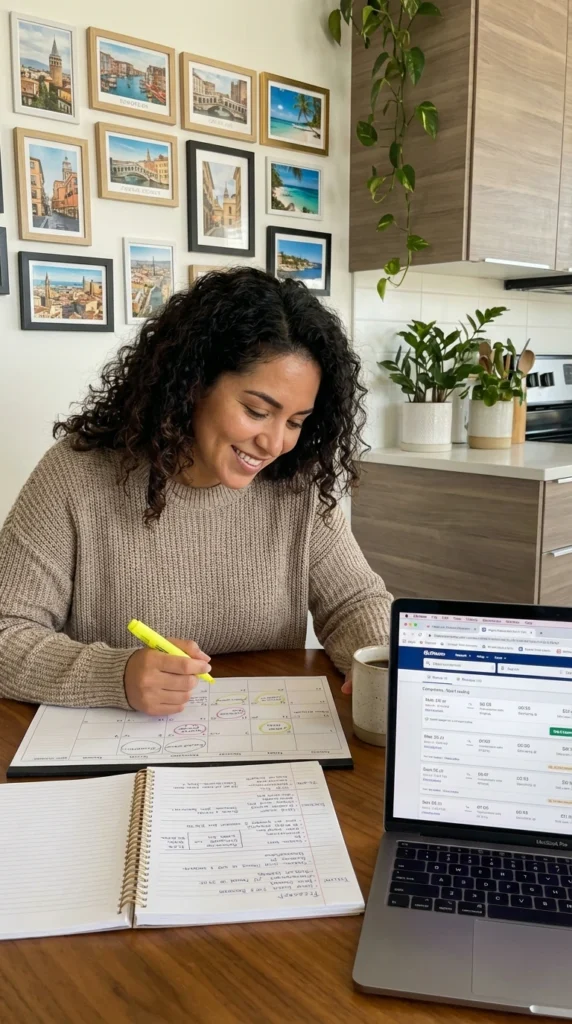
Luxury hotels have dynamic pricing—meaning rates fluctuate constantly. Book 3 days before arrival during mid-week (Tuesday-Thursday) for the best rates. Even 5-star hotels slash prices when demand drops. Use Google Hotels’ price tracking feature to monitor rates for your exact dates.
Pro tip: Call the hotel directly 48 hours before arrival and ask for a manager’s rate. You’ll often get an additional 20-30% discount, plus complimentary upgrades.
Hack #2: Leverage Loyalty Programs Before You Travel
Savings: $200-$600 per trip
You don’t need to stay 100 nights to unlock elite status. Open a hotel credit card, book 2-3 strategic stays, and boom—you’re elite. Elite members get free room upgrades, late checkout, and waived fees. That’s worth $150-$300 per stay, minimum.
Hack #3: Alternative Accommodations Outside Tourist Centers
Savings: $50-$200 per night
Skip the hotel strip. Stay in residential neighborhoods just 10-15 minutes outside the main tourist area. You’ll find Airbnbs, guesthouses, and boutique hotels at 50% cheaper prices. Bonus: you’ll experience the real destination, eat where locals eat, and discover hidden gems.

Food & Dining Hacks: Eat Like a Local, Pay Like One Too
Food tourism is beautiful—but tourist-zone restaurants will bankrupt you.
Hack #4: The “Happy Hour + Early Bird” Combo
Savings: $100-$300 per trip
Eat dinner between 5-6 PM during happy hour. Most fine-dining restaurants offer 30-50% discounts on food and drinks during this window. You get the same experience as 8 PM diners for half the price.
Hack #5: Street Food Research Before You Go
Savings: $200-$400 per trip
Spend 30 minutes before your trip on Google Maps, Reddit, and TripAdvisor finding top-rated street food vendors and local markets. These places charge $2-$5 for meals that cost $15-$25 in tourist restaurants. Authentic, delicious, and wallet-friendly.
Create a list on Google Maps and save it. Screenshot the locations. You’ll eat incredible food for a fraction of tourist prices.
Hack #6: Grocery Store Breakfast & Lunch Strategy
Savings: $150-$250 per trip
Skip hotel breakfasts and touristy cafes. Hit the local grocery store for fresh pastries, fruit, cheese, and coffee at 80% cheaper prices than restaurants. Do this for breakfast and lunch, splurge on dinners at nice restaurants, and you’ll eat like royalty for budget prices.

Transportation Hacks: Get Around for Less
Getting from A to B doesn’t require breaking the bank.
Hack #7: Booking Flights 6-8 Weeks in Advance
Savings: $150-$400 per person
This isn’t new advice, but the timing is critical. Book Tuesday or Wednesday mornings between 3-4 AM. Airlines price-match competitors overnight, and Tuesdays are when they adjust fares. This sweet spot saves you 15-30% compared to weekend bookings.
Use Skyscanner’s price alert feature and set notifications for your target dates.
Hack #8: Local Transportation Passes Over Daily Tickets
Savings: $50-$150 per trip
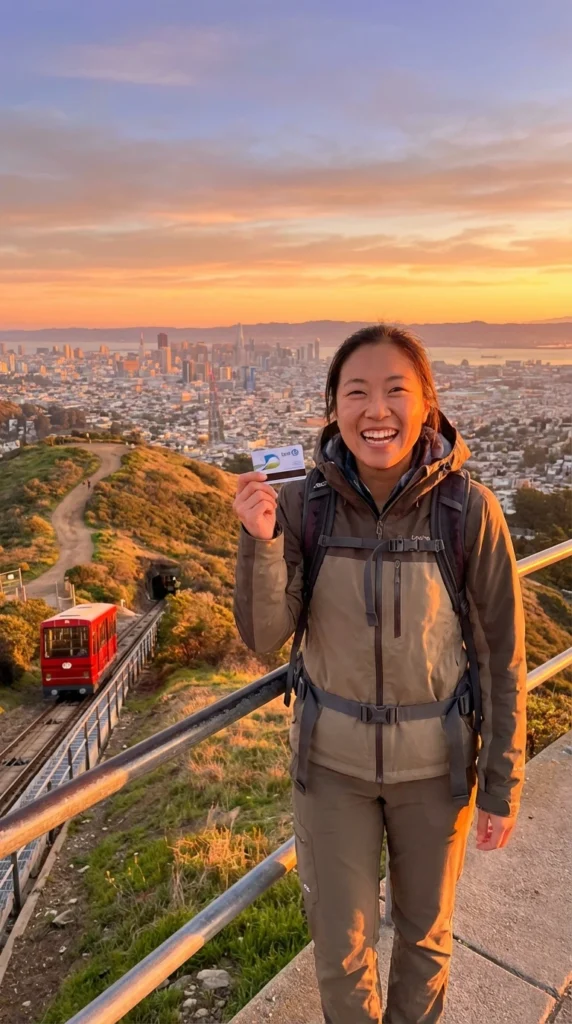
Buy a 7-day or monthly transit pass instead of daily tickets, even if you’re only staying 4 days. Transit passes almost always include tourist attractions (museums, ferries, funiculars) at massive discounts. You’ll earn back the pass cost immediately.
Hack #9: Walk, Bike, or Use Free Walking Tours
Savings: $200-$300 per trip
Most cities have free walking tours led by locals who work for tips. These 2-3 hour tours cover all major sites, and you’ll learn more than any expensive tour group. Tip your guide $10-$15 (they prefer this to expensive tour company fees).
Activities & Attractions: Skip the Tourist Traps
Staged attractions are where the biggest markups happen.
Hack #10: Free or Discounted Days at Museums
Savings: $100-$200 per trip
Almost every major city has free museum hours—usually early mornings on specific weekdays. Research this before you go. Many museums offer “pay what you wish” evenings (often 5-8 PM on Thursdays). You get the full experience for $5-$10 instead of $25+.
Hack #11: Google Maps “Top-Rated” Filter for Hidden Gems
Savings: $50-$150 per trip
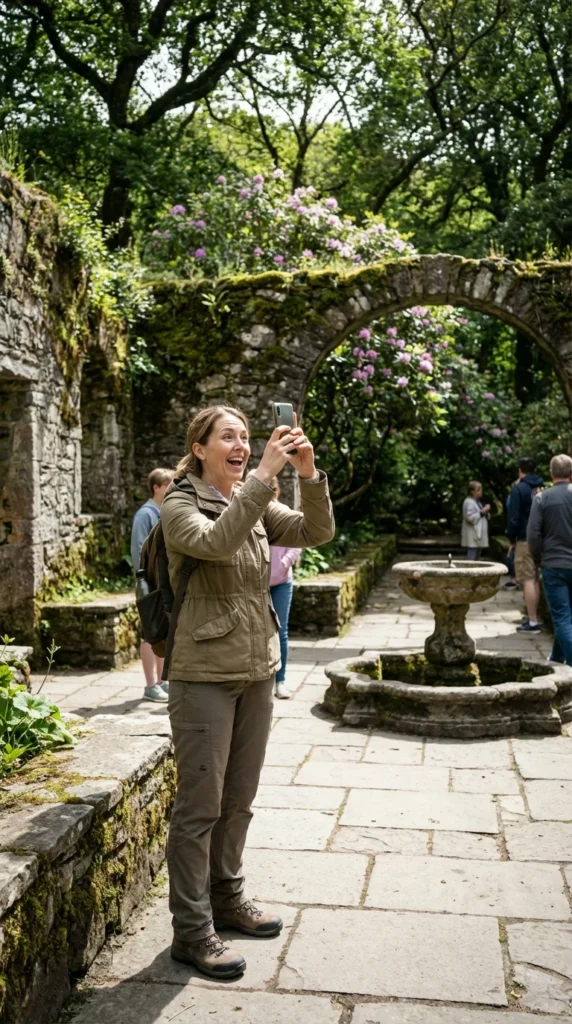
Skip the tourist board attractions. Use Google Maps’ “Top-rated nearby” filter to find highly-rated viewpoints, hikes, parks, and restaurants that aren’t on tourist radar. Many incredible experiences are completely free.
Hack #12: Negotiate Tour Prices In-Person
Savings: $50-$100 per tour
Never book tours online first. Go to the tour operator’s office and ask for the best available rate. In-person negotiations often yield 20-30% discounts that aren’t available online. Tour operators would rather lock in your business than lose you to a competitor.
Shopping & Souvenirs: Authentic Finds for Less
Tourist shops mark up souvenirs 300-500%.
Hack #13: Buy Souvenirs at Local Markets, Not Tourist Shops
Savings: $100-$300 per trip
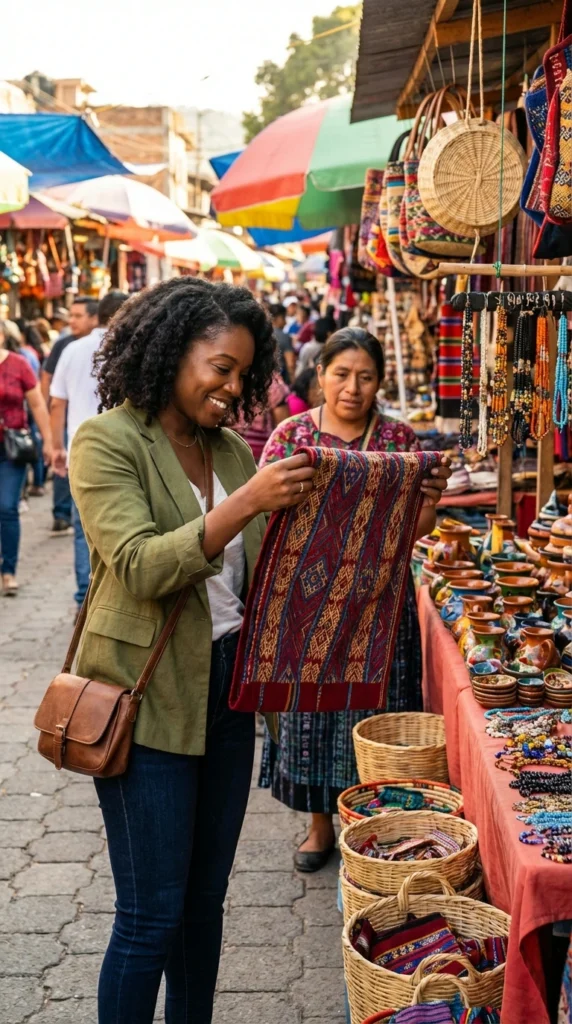
Visit local markets and artisan areas instead of airport/tourist shops. Haggling is expected in markets—arrive late in the day when vendors want to close and are more willing to negotiate. You’ll get authentic items at 50-70% cheaper prices and actually support local businesses.
Common Tourist Mistakes to Avoid
- Mistake #1: Booking hotels months in advance thinking it’s cheaper. It usually isn’t. Book 3-4 weeks out for best prices.
- Mistake #2: Eating every meal in the tourist center. Venture 10 minutes away and save 50-70%.
- Mistake #3: Taking expensive airport transfers. Use public transit or ride-sharing apps for 80% savings.
- Mistake #4: Buying attraction tickets at the entrance. Purchase online 24 hours ahead for discounts.
- Mistake #5: Not asking about free activities. Many destinations offer incredible free experiences—just ask locals.
Booking Timing Strategies by Season
Peak Season (June-August, December)
Book 2-3 months in advance. Early bookings lock in lower rates before prices spike. Negotiate for package deals.
Shoulder Season (April-May, September-October)
Book 4-6 weeks in advance. This is the sweet spot for pricing. Prices drop significantly but quality remains high.
Off-Season (November-March, excluding December)
Book 1-2 weeks before. Prices are at their lowest, and last-minute deals are abundant. Hotels slash rates dramatically to fill rooms.
Negotiation Tactics That Actually Work
The Direct Approach
“Is there anything better you can do on this rate?” Often yields 10-15% discounts just for asking.
The Comparison Approach
“I found this rate at a competitor—can you match it?” Hotels and tour operators often beat competitor prices immediately.
The Package Approach
Book flights + hotel + rental car together. You’ll get 15-25% savings compared to booking separately.
The Off-Peak Approach
Request rates for different dates. Even shifting your stay 2-3 days can yield massive savings.
Free Attractions by Popular Destinations
Barcelona
- Park Güell (free if you avoid the paid zone—the surrounding area is equally stunning)
- Gothic Quarter wandering
- Free beach access
- Sunday afternoon museum hours (50% off)
Bangkok
- Temples (most are free or donation-based)
- Night markets
- River walks
- Local parks
Rome
- Ancient streets and squares (free)
- Trevi Fountain (free, no required donations)
- Bridges and viewpoints
- Free museum hours
Paris
- Seine River walks
- Parks and gardens
- Window shopping in historic neighborhoods
- Free museum hours first Sunday of each month
Tokyo
- Shibuya Crossing
- Temples and shrines
- Parks
- Window shopping in Harajuku

Frequently Asked Questions
When is the absolute best time to book a flight?
Tuesday or Wednesday morning, 3-4 weeks before departure gives you the best combination of availability and pricing. Avoid weekend bookings and Friday-Monday searches—prices are 15-30% higher.
How much can I realistically save using these hacks?
On a typical 2-week international trip, you can save $1,500-$3,000 by implementing all these strategies. Even using just 5-6 hacks saves $500-$1,000.
Are budget hotels as bad as they seem?
Budget hotels are fine for sleeping, but location matters more than star rating. A budget hotel in a great neighborhood beats a luxury hotel in a tourist trap. Focus on location first, star rating second.
Is it rude to negotiate prices?
In local markets and with tour operators—absolutely not. It’s expected. In hotels and chains—ask politely and frame it as a question (“Is there anything better available?”) rather than a demand.
Should I use travel agencies or book everything myself?
Book flights and hotels yourself for better rates. Use travel agencies only for complex multi-country itineraries where their expertise saves you money.
What’s the best credit card for travel rewards?
Look for 2% cashback on all purchases or 3-5% on travel categories. Sign-up bonuses of 50,000+ points are valuable. Annual fees should be under $100 unless the benefits clearly exceed the cost.
How do I know if a “deal” is actually a deal?
Use price-tracking tools (Google Hotels, Hopper, Kayak) for at least 2 weeks before booking. Set price alerts. When prices drop 20%+ below your tracking average, that’s a genuine deal.
Conclusion: Travel Smart, Save Big
The difference between spending $5,000 and $3,000 on the same trip isn’t about sacrificing experiences—it’s about knowing these insider secrets. You’re not traveling cheaper; you’re traveling smarter.
Start with the hacks that apply to your next trip. Use the booking timing strategy for your flights. Research local markets and restaurants before you go. Negotiate your accommodations. Implement just three of these 13 hacks and you’ve already saved hundreds.
The best part? These strategies compound. The more you travel, the better you get at spotting deals, negotiating, and finding authentic experiences. Your next trip will be even cheaper than your last.
Download your cost-saving checklist below and take it with you on every adventure. Happy travels—and happy savings!